
Common Causes of Asphalt Cracks and Potholes
Asphalt cracks and potholes represent a persistent challenge for commercial properties, municipal roadways, and residential neighborhoods. Surface deterioration impairs property aesthetics, creates safety hazards for motor vehicles, and introduces unexpected financial liabilities for property owners. When structural failures form, they compromise the integrity of the entire pavement network. The origins of asphalt degradation stem from an interplay of climate conditions, physical traffic loads, and construction practices. Understanding how these factors interact allows property managers to design proactive preservation routines that mitigate expensive structural failures. Prioritizing routine maintenance helps preserve structural strength and maintain safe transit environments.
Examining Environmental Drivers of Surface Damage
Thermal fluctuations stand out as primary environmental causes of pavement breakdown. Asphalt expands during summer heat and contracts during winter cold, generating internal tensile stresses. Over time, continuous thermal cycles form delicate surface fissures that develop into severe structural cracks. Sustained exposure to high temperatures also accelerates thermal oxidation of the bitumen binder, causing it to lose elasticity. Professional asphalt services offer protective surface sealants that shield the binder from thermal degradation and slow down natural oxidation processes.
Moisture infiltration represents another leading cause of severe pavement distress across all climates. Water enters unsealed cracks or porous surface voids, migrating downward into underlying subgrade layers. Once water saturates the base material, it weakens soil support, making the top layer susceptible to displacement under vehicular weight. According to The Detroit News, getting your driveway sealed by a professional can increase its lifespan up to 30 years. Applying high-grade sealants forms an impermeable moisture shield that prevents water from compromising base layer stability and destroying structural integrity.
In colder regions, freeze-thaw cycles amplify water damage through hydraulic pressure expansion. Water trapped within minor cracks expands as it freezes, driving aggregates apart and widening fractures. When warmer weather thaws the ice, structural voids remain, leading to localized collapse and rapid pothole development under traffic impact. Simultaneously, ultraviolet radiation breaks down bitumen chemical bonds, causing severe surface fading and aggregate raveling. Combining routine crack filling with targeted sealcoating counters these harsh environmental mechanisms, maintaining structural resilience through every season.
Analyzing Heavy Traffic Loads and Operational Stress
Heavy commercial traffic exerts structural stress on asphalt pavements, far exceeding the impact caused by standard passenger cars. Fully loaded delivery trucks, buses, and construction equipment exert heavy axle loads that compress surface layers and deform subgrade foundations. Over time, repeated wheel loads create surface rutting, structural depressions, and cracking along primary wheel paths. Without intervention, these localized depressions accumulate water, accelerating base failure and making comprehensive asphalt services necessary to restore structural capacity.
Repeated load stress leads directly to structural fatigue within the binder and aggregate matrix, commonly manifesting as interconnected alligator cracking. Every passing axle delivers a dynamic loading wave that induces internal bending stress throughout the pavement structure. As millions of wheel passes accumulate without recovery periods, micro-cracks form at the base of the asphalt layer and propagate upward to the surface. Designing pavement layers with appropriate thickness and high-performance asphalt binders helps roads withstand heavy traffic without early fatigue failure.
Localized vehicle maneuvers such as sharp turning, acceleration, and sudden braking generate aggressive lateral shear stresses on top pavement layers. Intersections, bus stops, parking lot turning radii, and loading bays experience elevated shear forces that strip aggregate and cause surface distortion. Controlling speed limits and installing traffic-calming measures can minimize these dynamic forces. Furthermore, deploying specialized asphalt mixes engineered with modified polymer binders in high-stress zones provides resistance against mechanical displacement and surface scuffing.
Identifying Common Construction and Material Deficiencies
Inadequate subgrade and base layer preparation creates a weak foundation that dooms paving projects to premature failure. The underlying base layer must be thoroughly graded, drained, and compacted to provide uniform support across the surface footprint. When contractors fail to achieve specified density or ignore soft subgrade soils, heavy surface loads cause uneven settling and structural depressions. Proper site preparation, moisture control, and subgrade stabilization are fundamental requirements for building durable asphalt structures that withstand heavy traffic forces without collapsing.
Using substandard raw materials or incorrect mix formulations significantly compromises long-term pavement durability. Poorly graded aggregates, dirty stone mixtures, or improper bitumen ratios prevent the mix from forming a tight matrix. Mix designs must be precisely tailored to match local climatic extremes, regional weather variations, and expected traffic volumes. Inferior material selection leads to early binder stripping, extensive surface cracking, and costly repair cycles that short-circuit pavement service life.
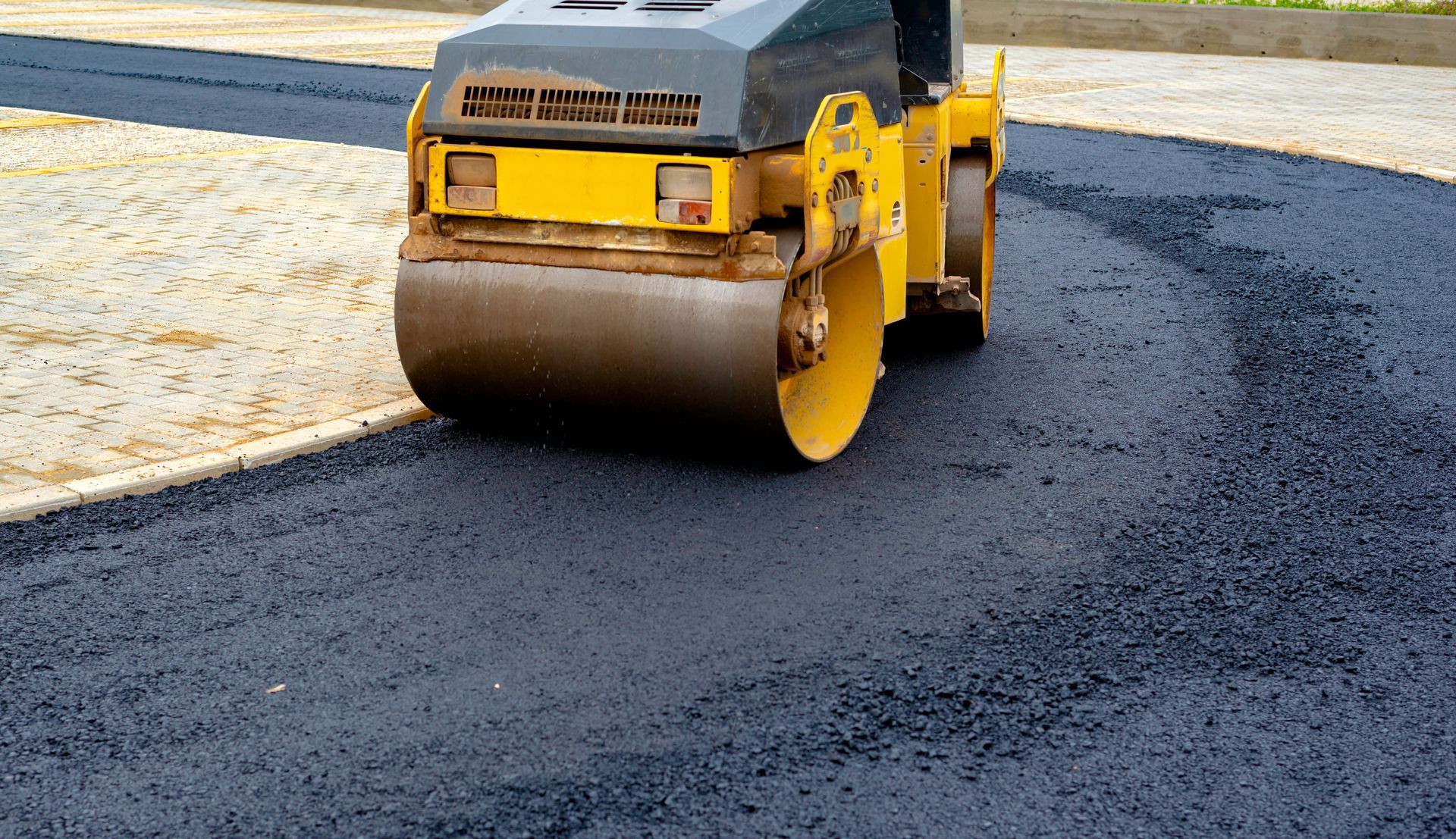
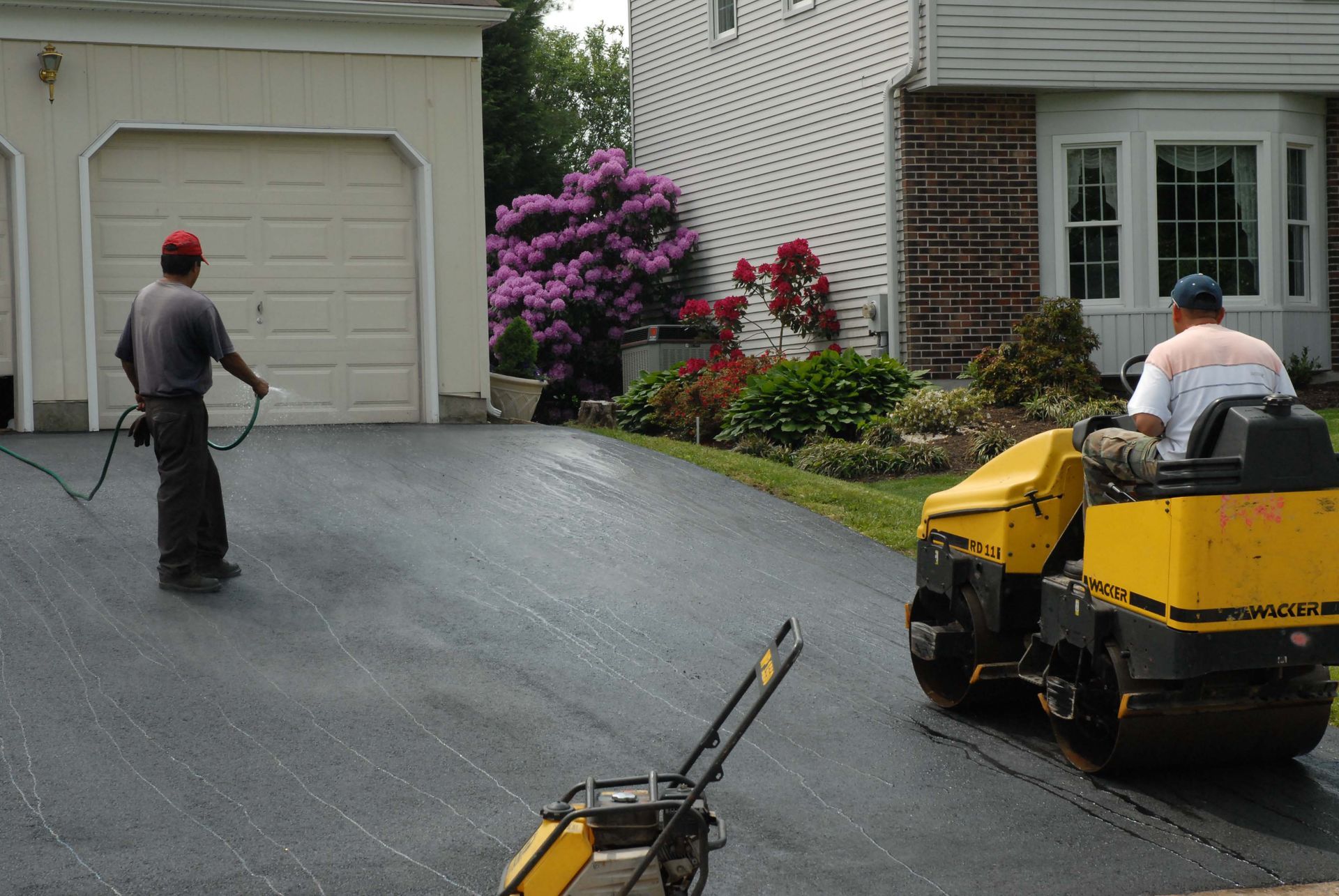
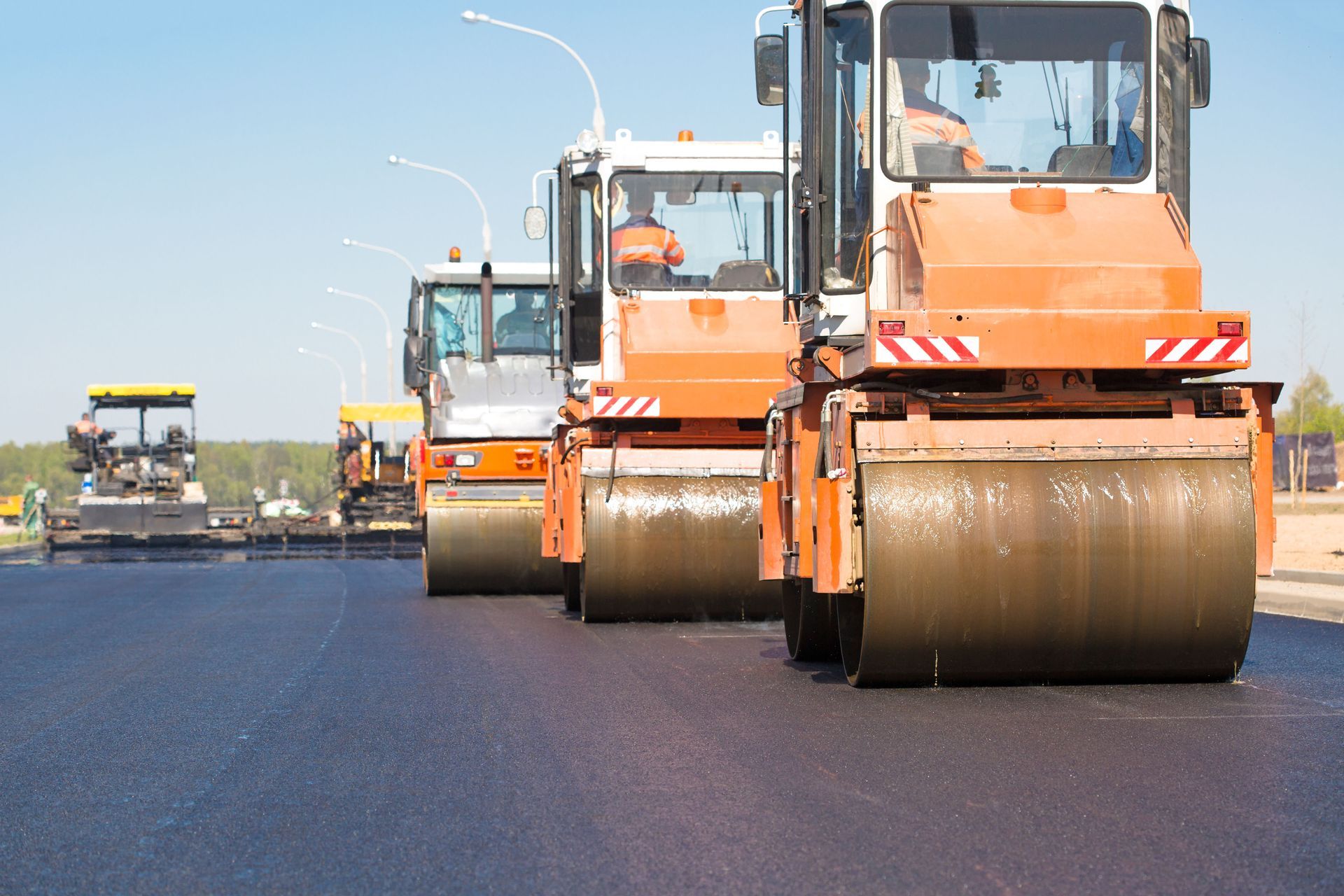
Insufficient compaction during asphalt installation leaves excessive air void content within the finished pavement layer. High air void ratios permit deep moisture penetration and accelerate bitumen oxidation throughout the full depth of the asphalt layer. Proper compaction using heavy vibratory rollers at optimal mat temperatures ensures optimal density, maximizing load capacity and preventing moisture intrusion. In addition, maintaining uniform layer thickness across the paved surface prevents weak spots that rapidly fracture under heavy loads.
Implementing Proactive Repair and Maintenance Programs
Developing a structured pavement maintenance schedule is essential for maximizing operational lifespan and minimizing life-cycle costs. Timely preventive interventions, such as filling hairline cracks with rubberized sealants, prevent moisture from infiltrating sub-base soils and halting structural degradation. Routine surface cleaning, clearing debris, and maintaining functional drainage channels prevent chemical deterioration from oil drippings and pooling water. Prompt maintenance prevents minor surface blemishes from escalating into large potholes that endanger drivers.
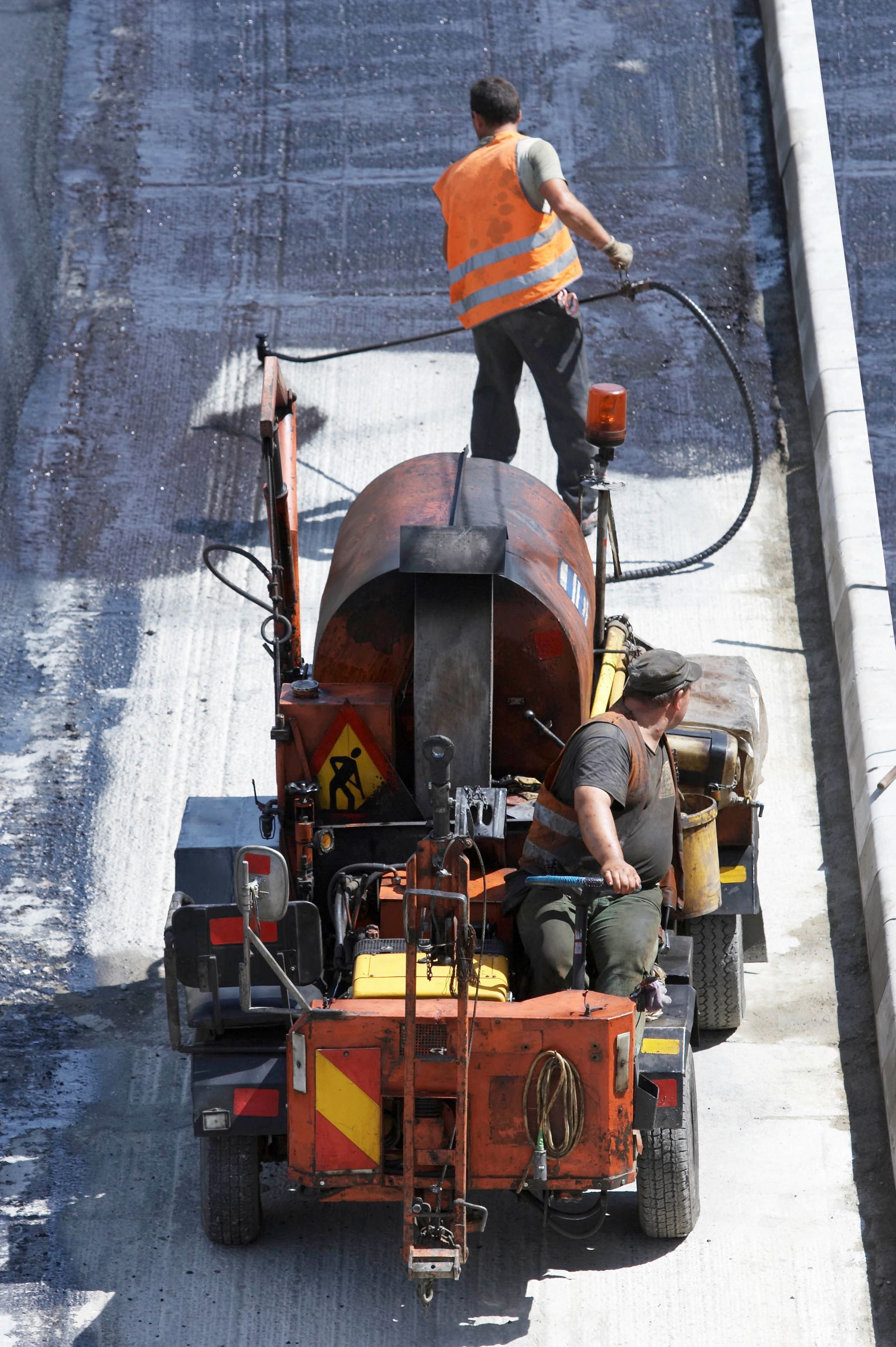
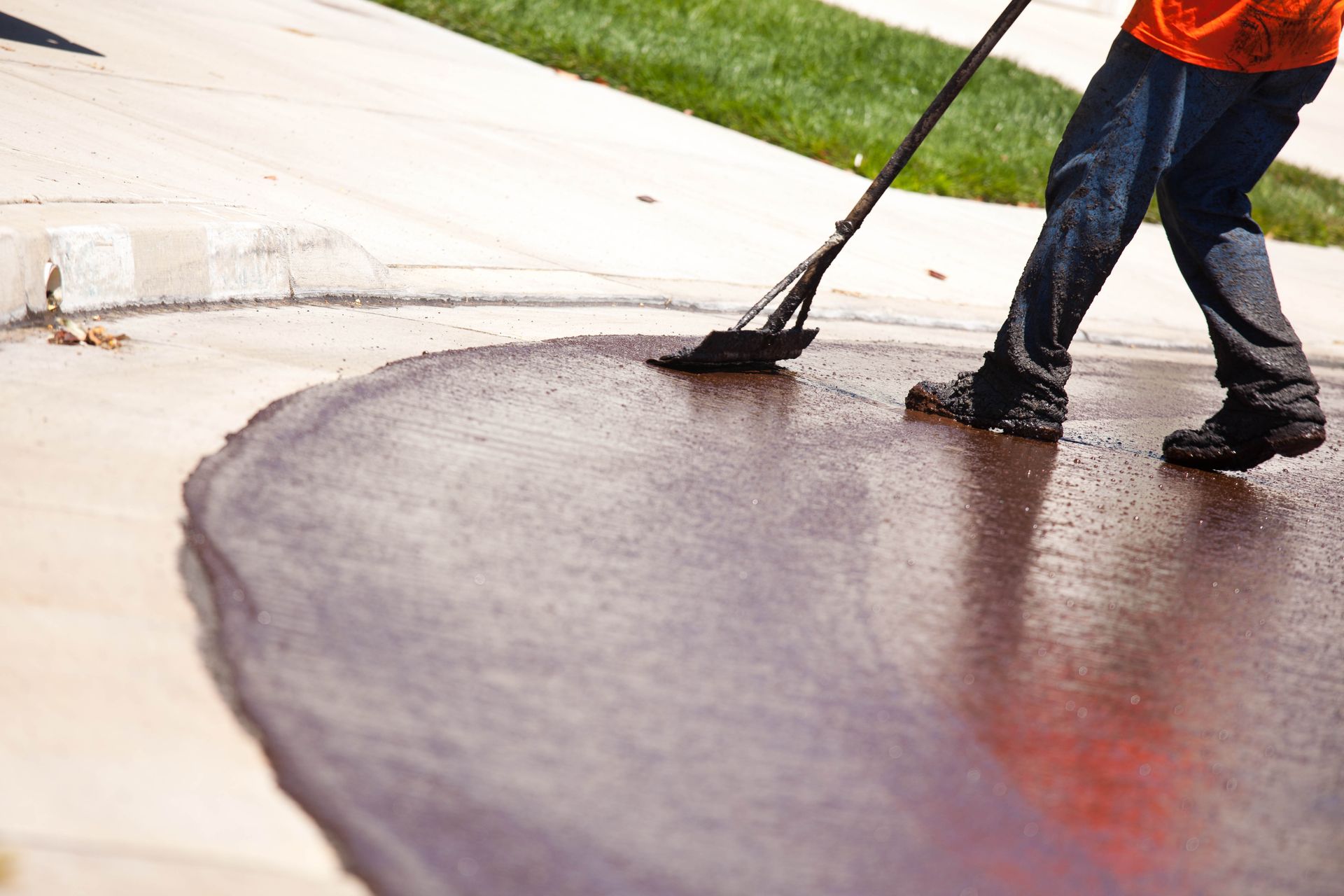
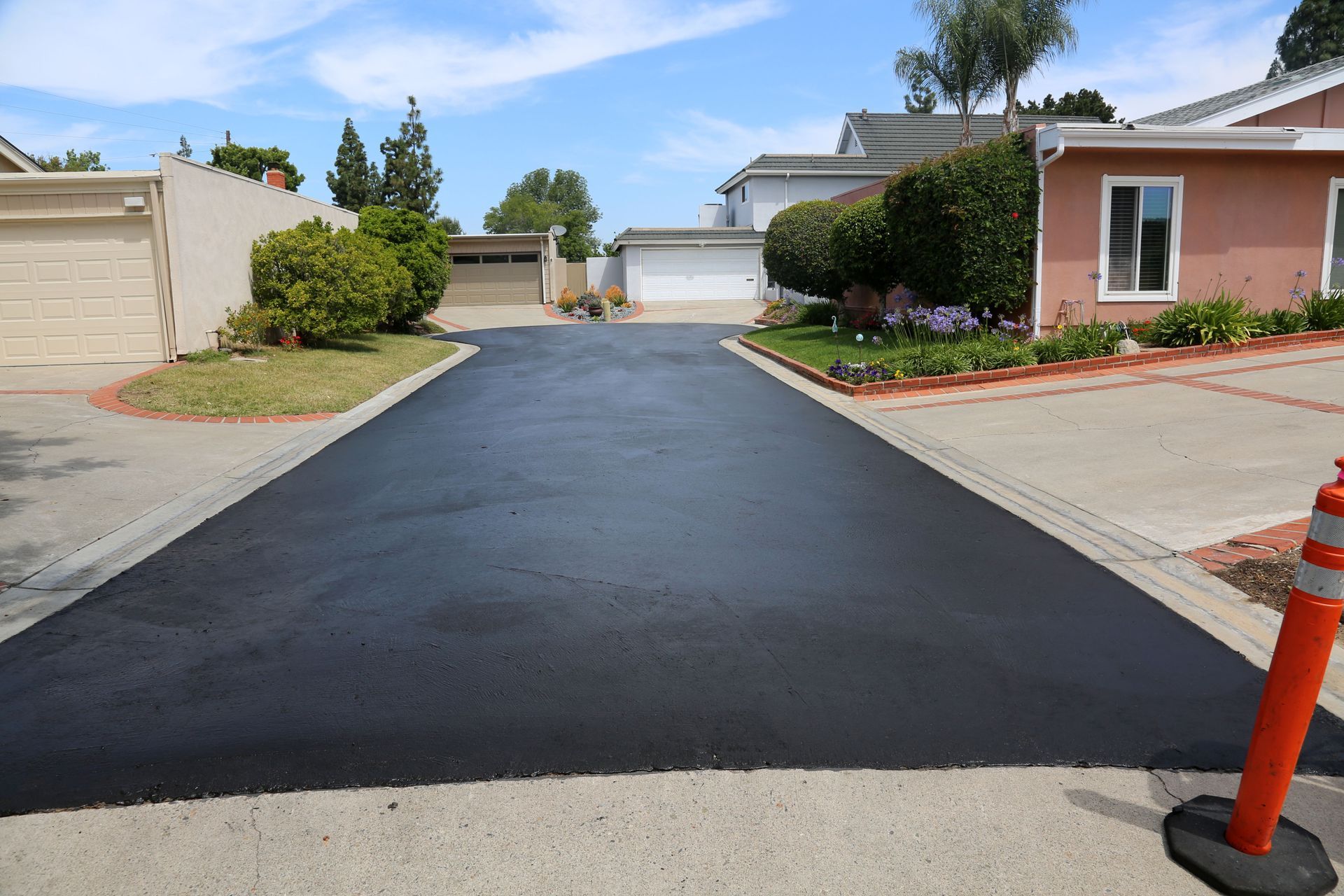
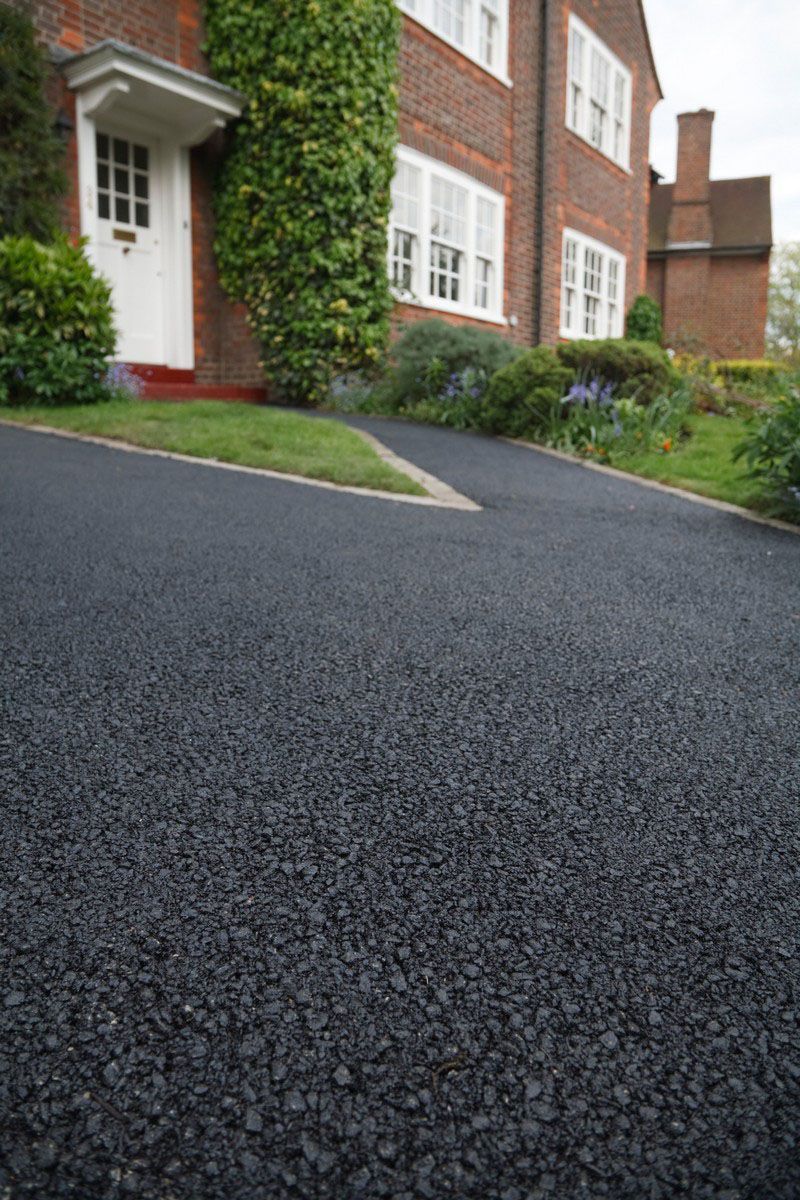
Sealcoating forms an essential defensive coating that shields asphalt surfaces against water penetration, solar radiation, and automotive fluids. Applying a commercial-grade seal every three to five years replenishes essential oils lost to natural weathering, keeping the pavement flexible and resilient. A consistent coat application preserves surface flexibility, stops aggregate raveling, and restores a rich dark appearance that enhances overall property value. Utilizing professional asphalt services ensures meticulous surface cleaning, accurate material selection, and uniform application across all pavement zones.
Long-term pavement management relies on routine physical inspections to evaluate surface conditions and prioritize repairs efficiently. Identifying early distress indicators, such as localized raveling, minor longitudinal cracking, or early rutting, allows facility managers to allocate maintenance budgets effectively. Timely surface resurfacing, micro-surfacing, and targeted full-depth patching extend operational service life while maintaining safety standards. Structured maintenance routines optimize expenditure and keep pavement networks performing safely under operational demands.
Selecting Qualified Infrastructure Specialists
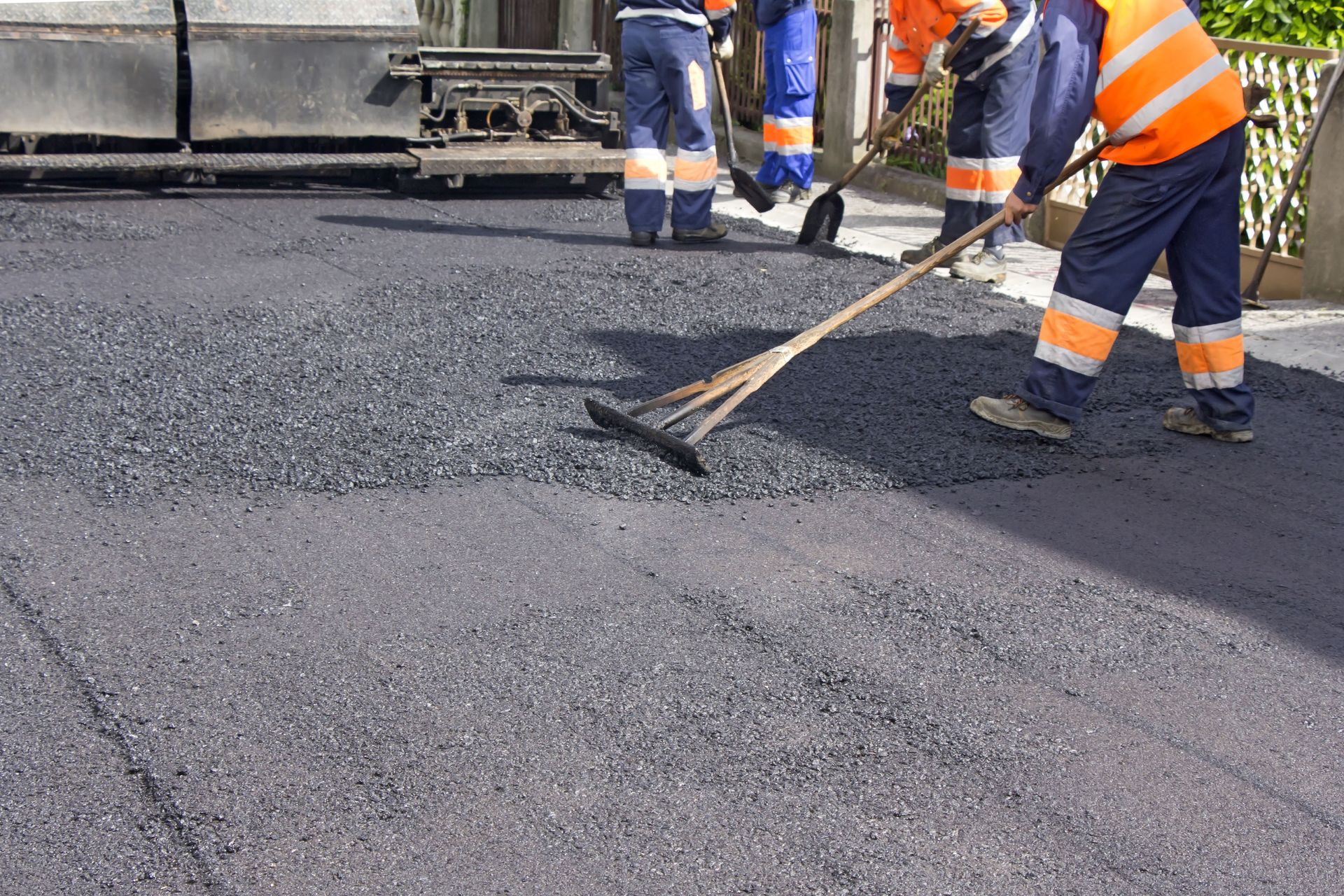
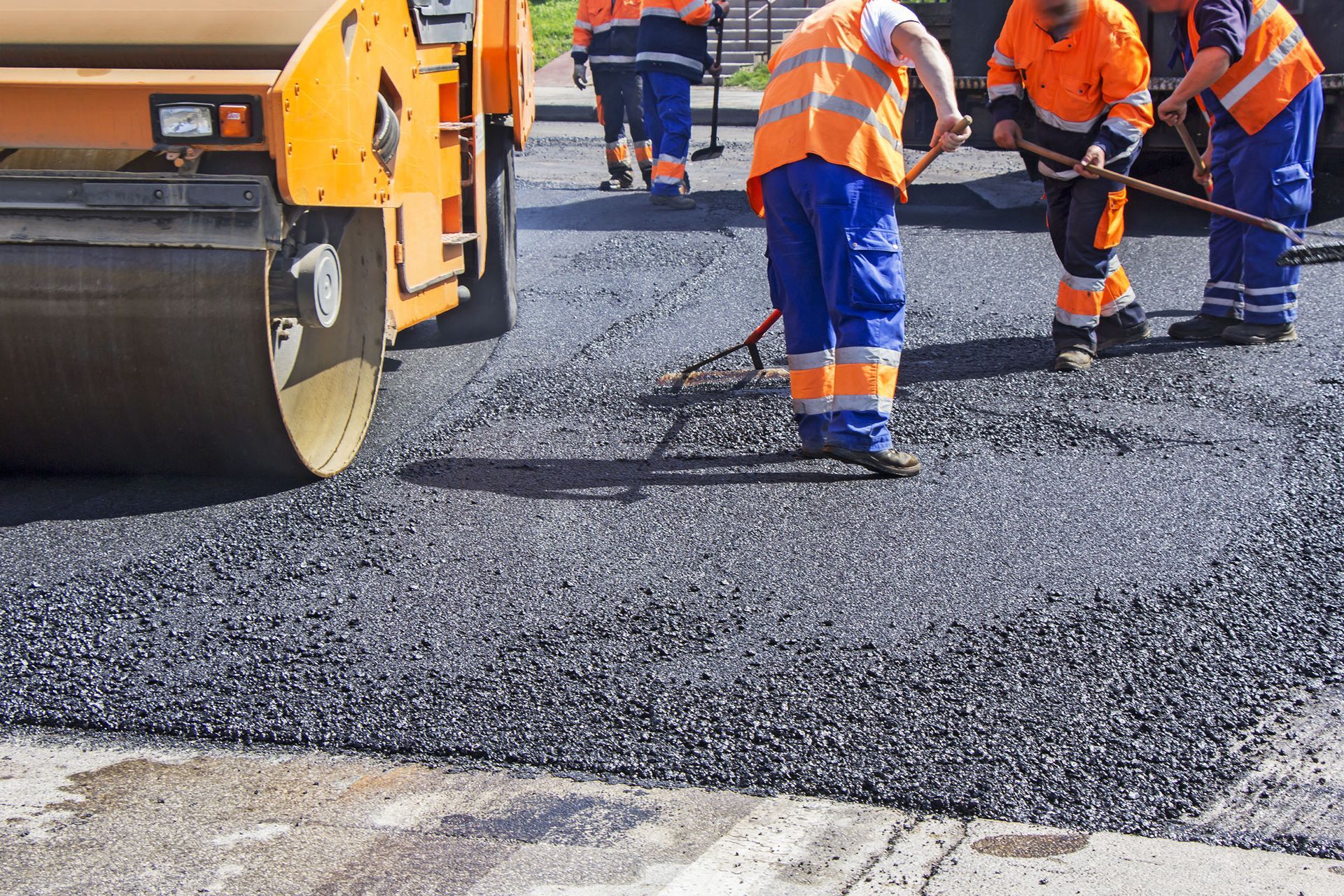
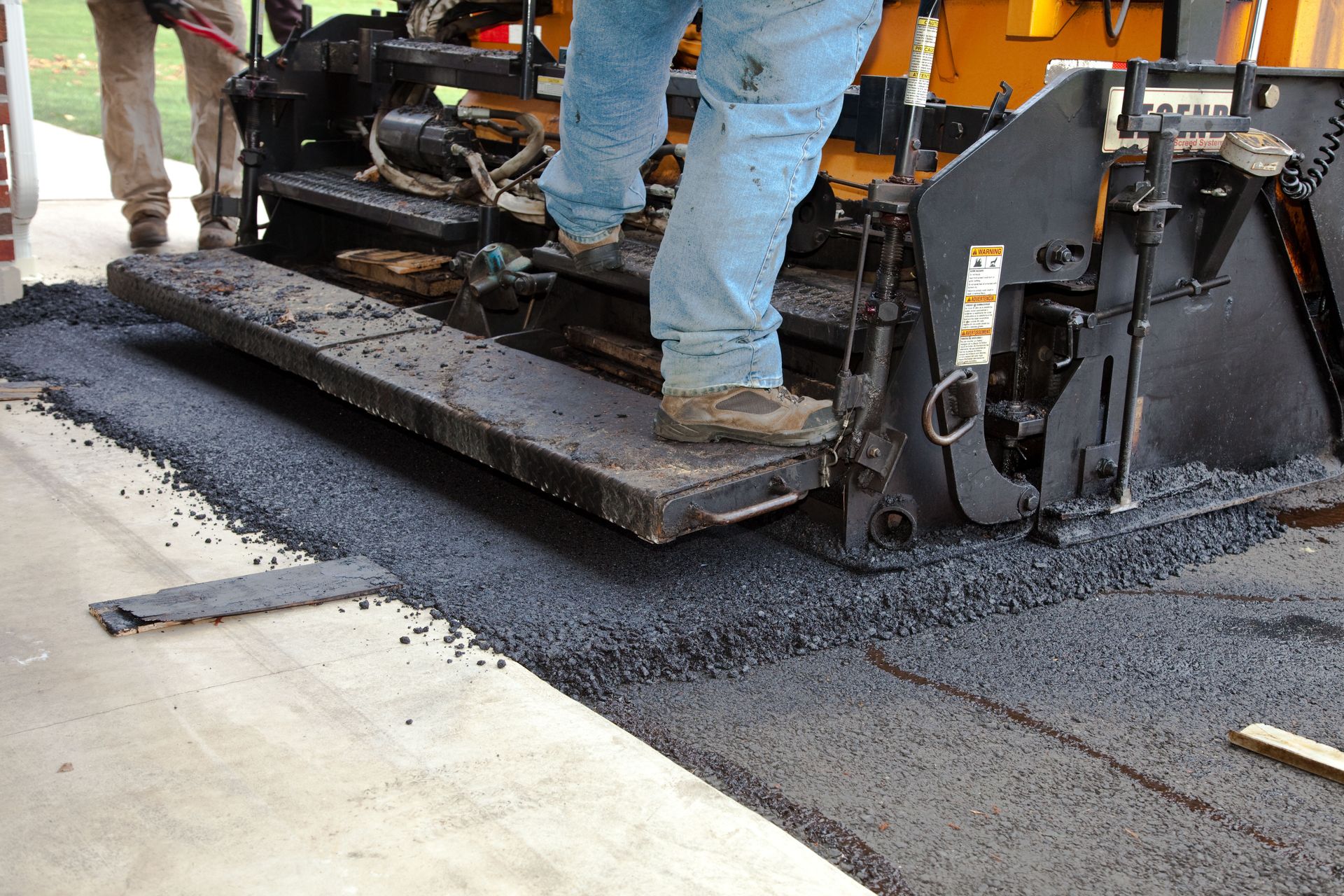
Partnering with qualified asphalt contractors ensures that pavement construction, restoration, and preventive maintenance meet industry standards. Experienced contractors utilize specialized machinery, precise material testing, and field-proven installation methods to construct durable asphalt surfaces. Correct execution during initial grading, asphalt placement, and routine maintenance saves property owners capital over the lifespan of the asset. Trusting certified paving technicians ensures every project complies with safety protocols, engineering guidelines, and environmental standards.
Professional contractors offer complete asphalt solutions customized to the unique structural demands of each site. From complete depth asphalt patching and crack sealing to hot-mix overlays, sealcoating, and precision line striping, specialized crews possess technical expertise required to resolve complex pavement challenges. Investing in dependable asphalt services guards against premature structural failure, enhances property curb appeal, and maintains safe transit conditions for vehicular and pedestrian traffic.
Proactive pavement management remains the most reliable strategy for protecting driveways, parking lots, and municipal road systems from early failure. Establishing a consistent maintenance routine controls life-cycle repair costs while preserving original infrastructure investments. For more information about the services that we offer, reach out to our incredible team at Hargrove Sealcoating and Striping today!
Share On: