
How Sealcoating Protects Your Driveway from Oil, Gas, and Chemical Spills
Driveways are susceptible to damage from various substances, including oil, gas, and other chemicals commonly found in households or commercial settings. Over time, these chemicals can penetrate the surface of the driveway, leading to deterioration, unsightly stains, and costly repairs. Sealcoating serves as a critical preventive measure, providing a protective barrier that helps preserve the longevity and appearance of your driveway.
What Is Sealcoating?
Definition and Purpose
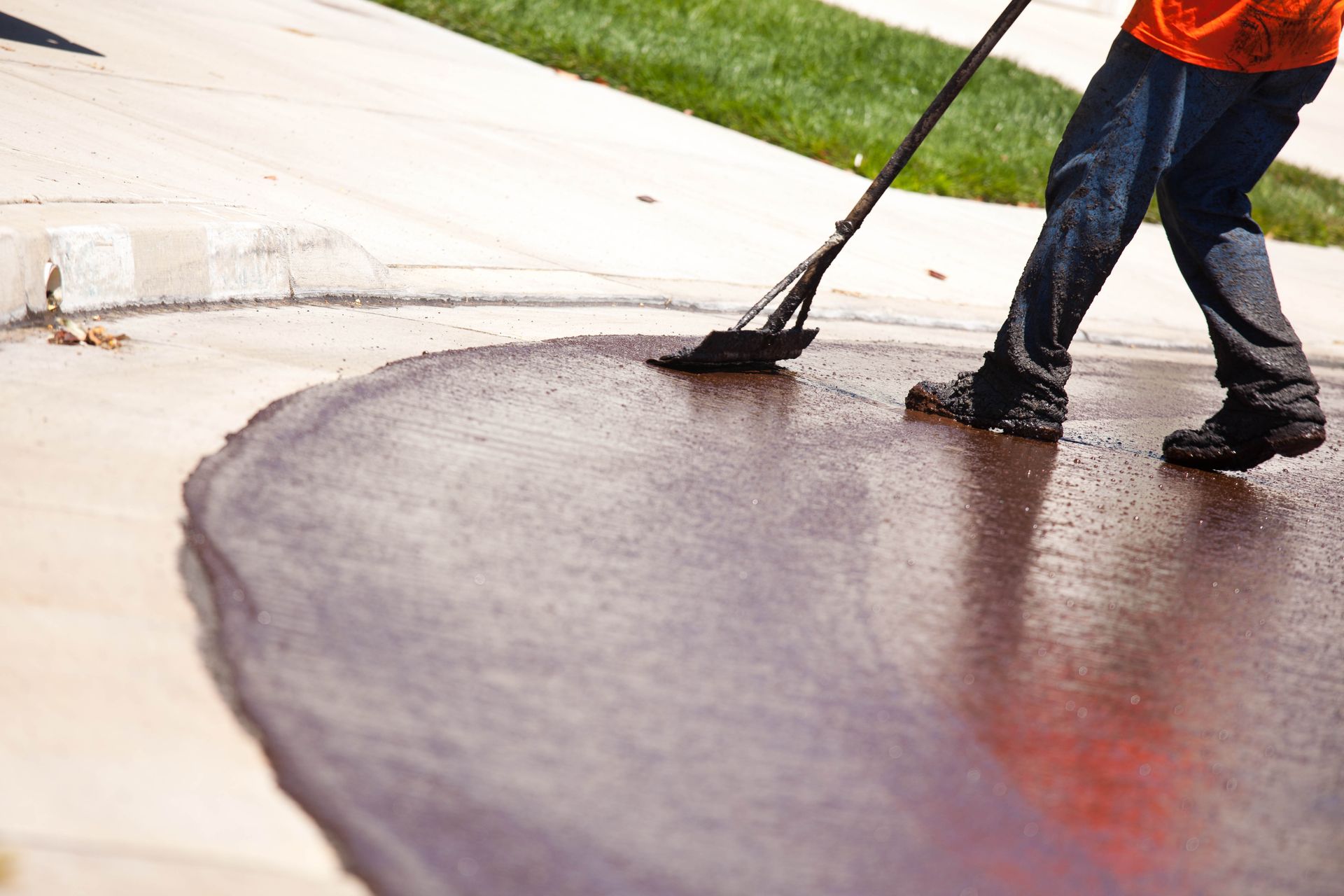
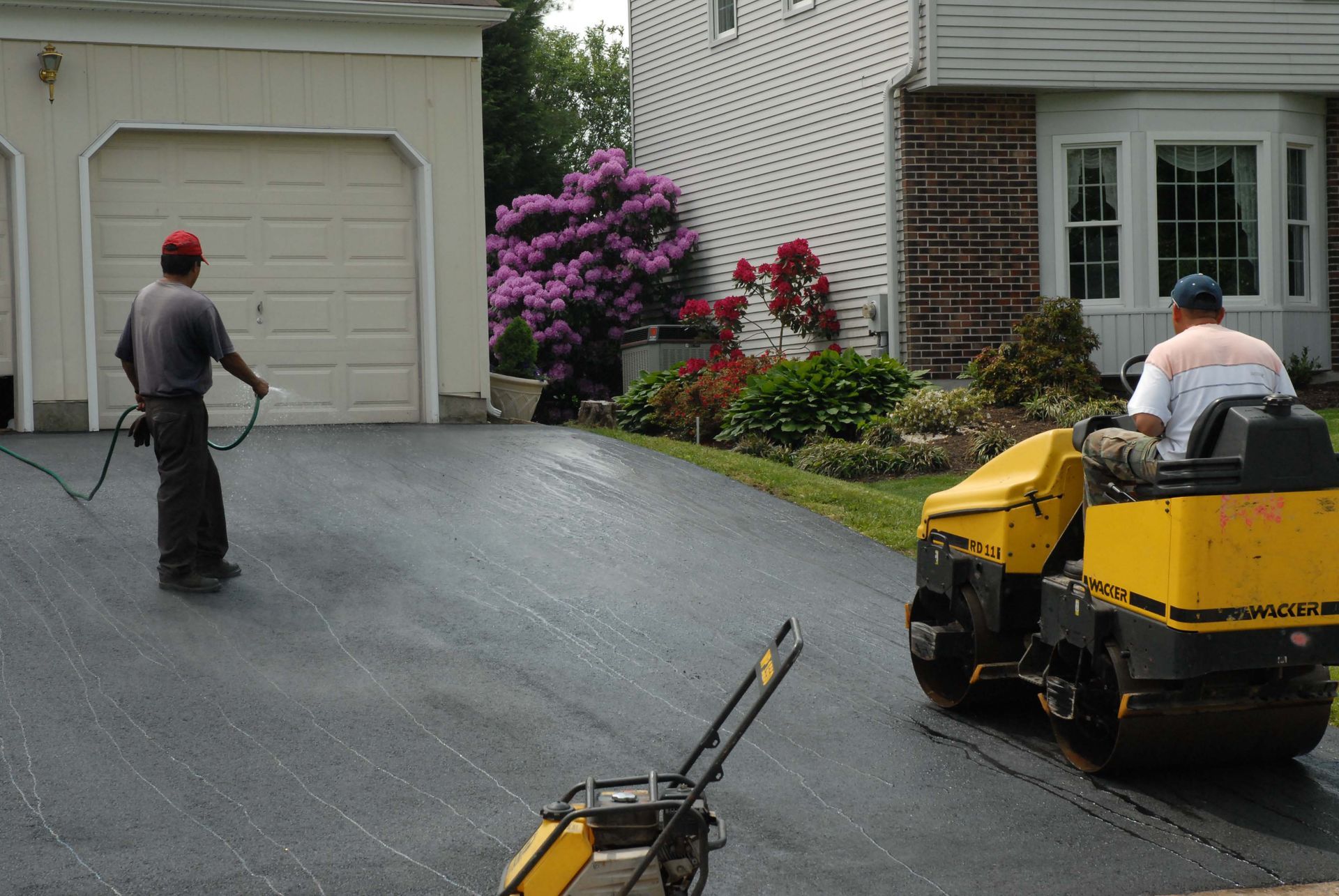
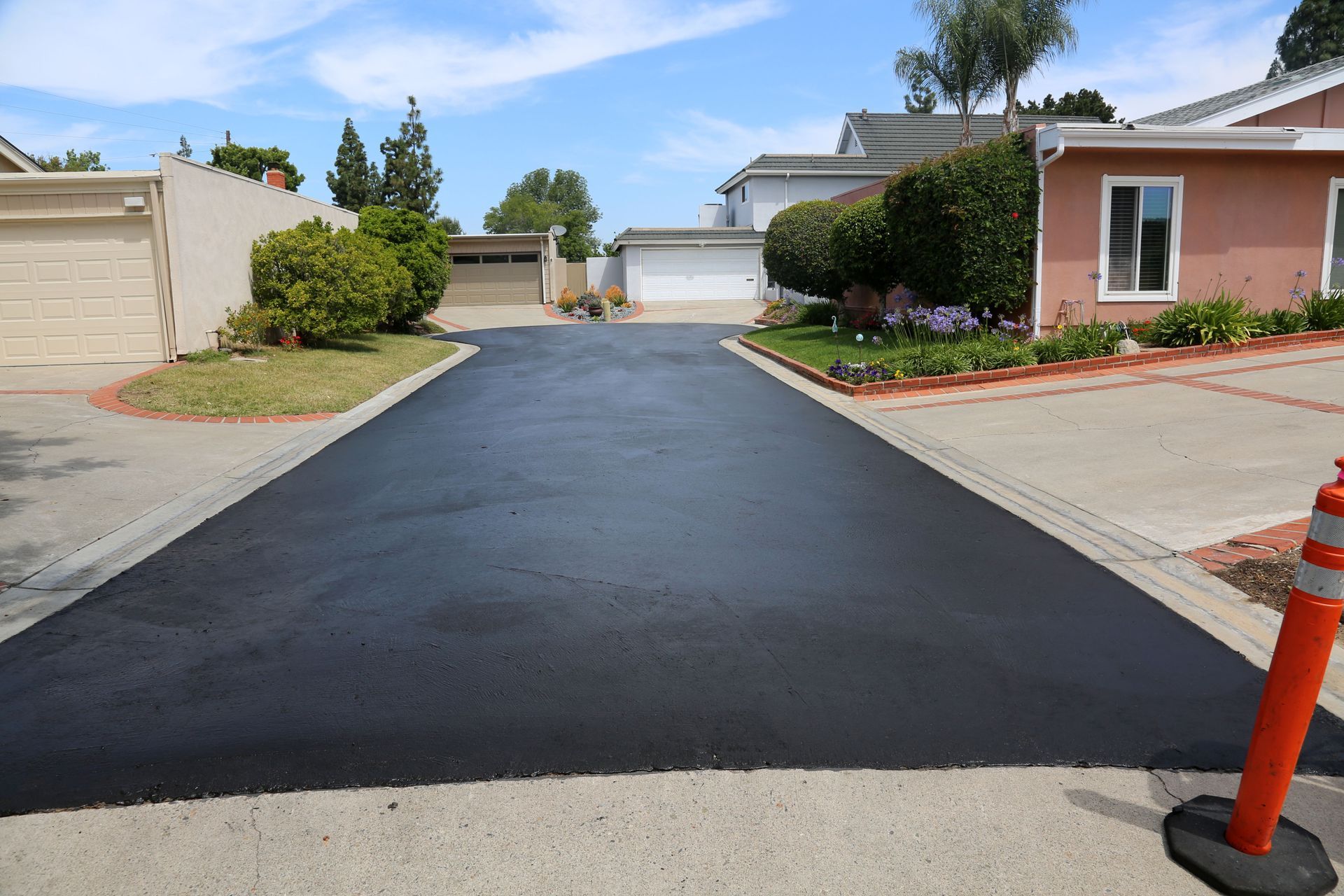
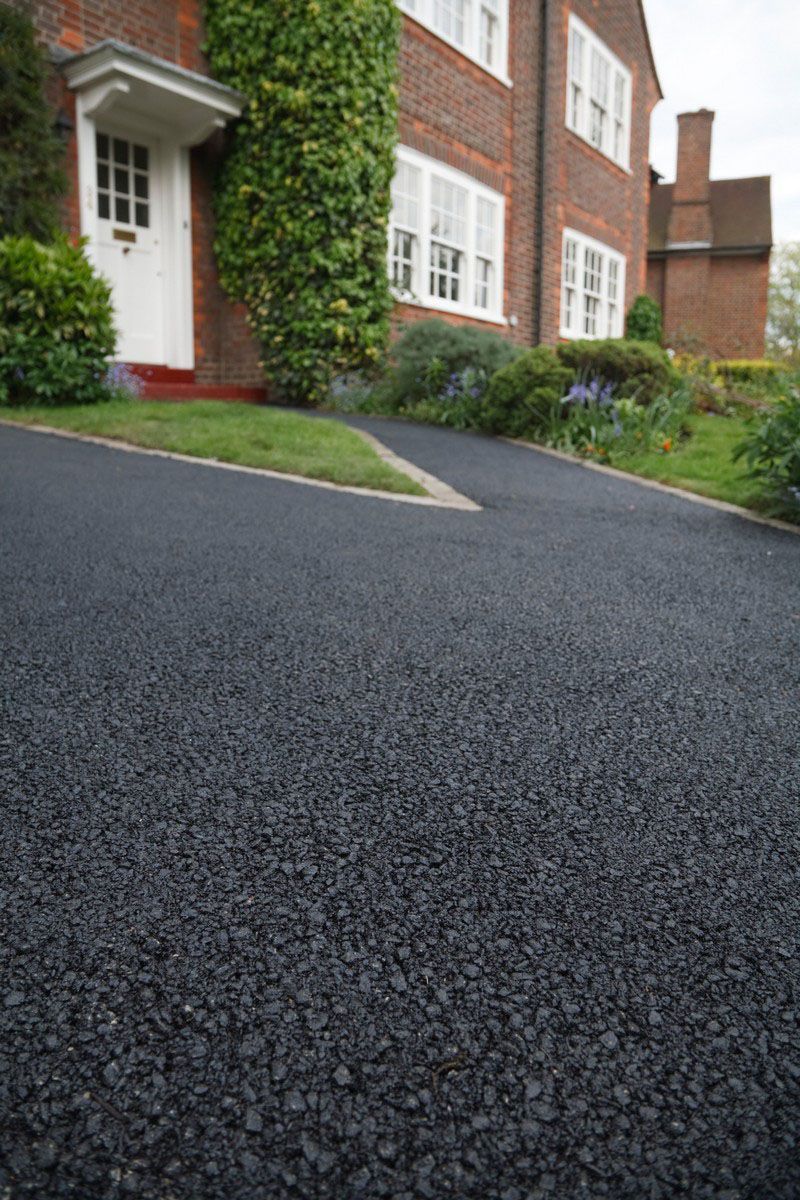
Sealcoating refers to the process of applying a protective topcoat on asphalt pavements, such as driveways and parking lots. The primary purpose of this coating is to shield the asphalt from external elements like UV rays, water, and chemicals that can cause degradation. By creating a smooth and resilient surface layer, sealcoating enhances the visual appeal of driveways while extending their lifespan.
Understanding the composition of sealcoat is crucial to appreciating its protective properties. Typically, sealcoat materials consist of a mixture of asphalt or coal tar pitch, water, emulsifying agents, and additives for flexibility and strength. These components work together to form a robust membrane that adheres tightly to the pavement's surface.
The evolution of sealcoating technology has improved its efficacy and environmental impact over time. Modern sealants are engineered to address specific threats posed by various chemicals and are formulated to be more environmentally friendly. This progress ensures more sustainable solutions for driveway protection in today's context.
The Science Behind Sealcoating
The effectiveness of sealcoating lies in its chemical properties, which are designed to enhance durability and resistance to harsh substances. The formulation of sealcoat allows it to form a sturdy bond with asphalt, creating a seamless barrier against water, oils, and other chemicals. This bond is crucial for preventing infiltration and subsequent deterioration of the driveway surface.
Adhesion mechanisms play a vital role in maintaining the integrity of sealcoating on asphalt surfaces. These mechanisms rely on the texture and porosity of the driveway, allowing sealcoating materials to penetrate any minor imperfections and lock onto the surface securely. Proper application ensures that the sealcoat remains in place, effectively protecting against chemical penetration.
Resistance capabilities against spills are a standout feature of sealcoating, providing an impermeable shield against harmful substances. The sealcoat effectively dissipates energy from chemical impacts, reduces solvent action, and reinforces the structural integrity of the driveway. This resilience is especially important, given the daily exposure of driveways to various stressors.
Protection Against Oil Spills
How Oil Affects Driveways
Oil spills are a common occurrence in driveways due to vehicle operations, and their effects on asphalt can be significant. Automotive oils comprise various additives and chemicals, making them one of the most challenging substances to manage. Freshly laid asphalt, according to This Old House, will not need sealing for 6 to 12 months, allowing for initial curing and setting before further protective measures are required.
In terms of their impact, oil spills initially create surface stains but can culminate in extensive damage if left unaddressed. Over time, the oil seeps into the pores of the asphalt, breaking down the binding agents and leading to structural weakening. This absorption and subsequent penetration can result in potholes, cracks, and long-term degradation if not treated promptly.
Cleaning up oil spills from unprotected driveways can be challenging, as many household cleaning agents may not adequately break down the oil. Furthermore, repeated washing or scrubbing can erode the asphalt, exacerbating the damage. As such, preventively sealcoating driveways serves as a proactive measure in addressing oil-related issues.
Sealcoating's Defense Against Oil
Sealcoating forms an effective barrier that prevents oil penetration, acting as the first line of defense against spills. By sealing the surface, the coat inhibits oil from seeping into the asphalt, thereby maintaining the driveway's structural integrity. The increased resistance ensures that minor spills do not lead to significant damage over time.
Beyond its immediate protective function, sealcoating also enhances the overall durability of the driveway against frequent oil contact. The layer created by the sealcoat is designed to withstand repeated exposure, ensuring that the driveway remains functional and visually appealing. This durability implies fewer repairs and less maintenance in the long run.
Enhancing oil resistance through sealcoating involves selecting suitable sealant formulas and ensuring consistent maintenance. Comparing sealed surfaces to non-sealed ones vividly illustrates the benefits, as sealcoated driveways experience far fewer instances of staining and structural damage. Additionally, regular reapplication and professional assessments help ensure continued protection.
Protection Against Gas Spills
Harmful Effects of Gasoline on Asphalt
Gasoline is another common threat to asphalt driveways, owing to its chemical composition that includes powerful solvents. These solvents have the potential to dissolve the asphalt binder, causing substantial deterioration. Gas spills erode the driveway over time, compromising the pavement’s stability and appearance.
The solvent properties of gasoline are particularly damaging, as they slowly break down the structural components of asphalt. Continuous exposure amplifies this effect, leading to extensive damage without visible warning until significant deterioration occurs. In addition, gasoline poses environmental concerns due to its toxicity and potential to contaminate soil and water sources.
Considering gasoline’s destructive capability, addressing spill issues through sealcoating is crucial for prolonging driveway life. Through sealcoating, surfaces receive an extra layer of defense that absorbs energy from potential gasoline interactions, mitigating their long-term impact. This process not only ensures structural soundness but also diminishes cleanup challenges.
Energy Dissipation Through Sealcoating
Sealcoating dissipates the energy from gasoline’s solvent action, offering immediate protection against chemical breakdown. This quality aids in maintaining the structural integrity of the driveway by neutralizing the adverse effects posed by gasoline exposure. The sealant layer’s protective properties enhance both spill containment and prevention measures.
In terms of structural reinforcement, sealcoating acts as a safeguard against erosion and deterioration. The added layer of protection minimizes chemical interaction with the asphalt's binding agents, supporting longevity and resilience. Sealcoating thus reduces the frequency and severity of damage usually caused by gasoline spills.
The application of sealcoating not only serves as a preventative measure but also facilitates simpler cleanup operations. The sealant prevents gasoline and similar substances from penetrating and adhering persistently to the asphalt. As such, maintaining a preemptive sealcoating schedule is invaluable for efficient management of potential gasoline spills.
Protection Against Chemical Spills
Common Chemicals That Can Damage Driveways
Driveways encounter several harmful chemicals, each posing unique threats to their integrity. Household chemicals, such as cleaning agents and de-icers, can be corrosive, gradually eroding the surface of the asphalt. Industrial spills present even more severe risks, often involving highly reactive substances that compromise the pavement structure.
Acids and strong cleaning agents are particularly concerning, capable of breaking down the chemical components of asphalt. The effects of reactive substances are compounded by their ability to facilitate pothole formation, leaving behind uneven, hazardous surfaces. Meanwhile, staining substances wreak havoc on the driveway’s aesthetic, leading to discoloration and patchy appearances.
To counter these threats, sealcoating acts as an essential barrier in protecting driveways from harmful chemical interactions. The sealant’s chemical resistance capabilities counteract potential damage, preserving both aesthetics and functionality. By providing a watertight seal, the maintenance and appearance of driveways improve significantly.
Sealcoating as a Chemical Shield
Formulated to resist a wide array of chemicals, sealcoating offers an effective shield against potential driveway damages. The layered application ensures thorough coverage, lending additional support against corrosive substances. Thickness and even distribution are key to maximizing the sealant’s efficacy.
Regular reapplication is necessary for optimal protection and to prevent sealcoat degradation over time. Professional application also guarantees adequate coverage, minimizing the risk of missed spots and ineffective shielding. Homeowners benefit from the enhanced protection afforded by sealcoating, experiencing fewer chemical-induced issues.
Sealcoating delivers multiple protective benefits to driveways, effectively defending against oil, gas, and chemical spills. By acting as a physical barrier, it mitigates potential structural and aesthetic damages caused by these substances. Proactive driveway maintenance through regular sealcoating ensures durability, attractiveness, and substantial cost savings over time. If your driveway needs sealcoating, make sure to contact Hargrove Sealcoating and Striping today!


Share On: