
The Difference Between Asphalt Resurfacing and Replacement
Asphalt surfaces are a prevalent choice for roads, driveways, and commercial parking lots due to their durability, smooth finish, and overall cost-effectiveness. However, maintaining these paved areas in optimal condition is crucial to extend their functional lifespan and ensure long-term user safety. Two primary methods of maintaining degraded pavement are resurfacing and full replacement. Understanding the technical differences between asphalt resurfacing and replacement, along with the physical factors that influence the final decision, helps property owners make informed, cost-effective choices. Partnering with a professional asphalt repair service guarantees an accurate structural evaluation, ensuring your investment is protected through the proper application of overlay or reconstruction methods.
Understanding Asphalt Resurfacing
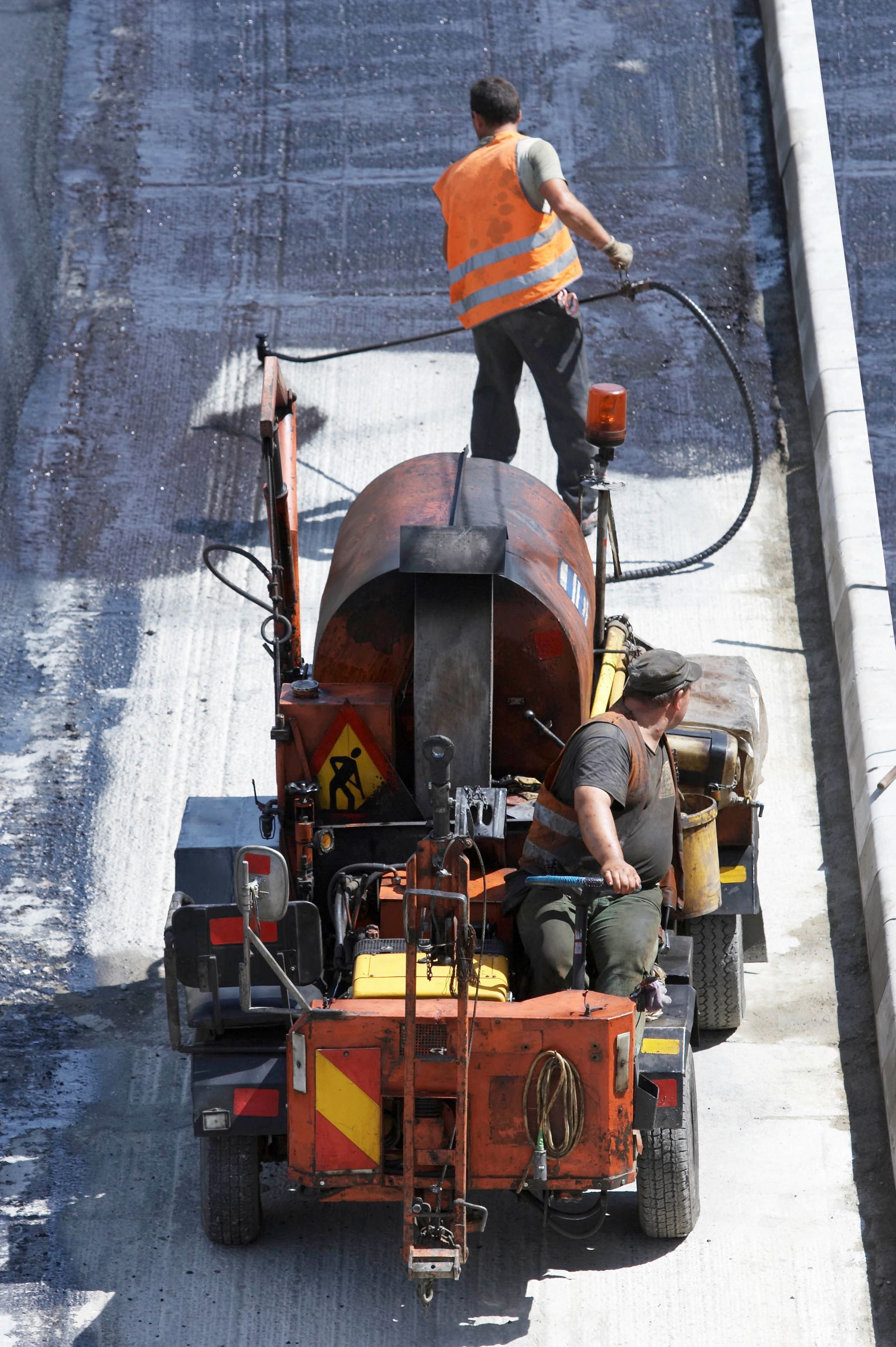
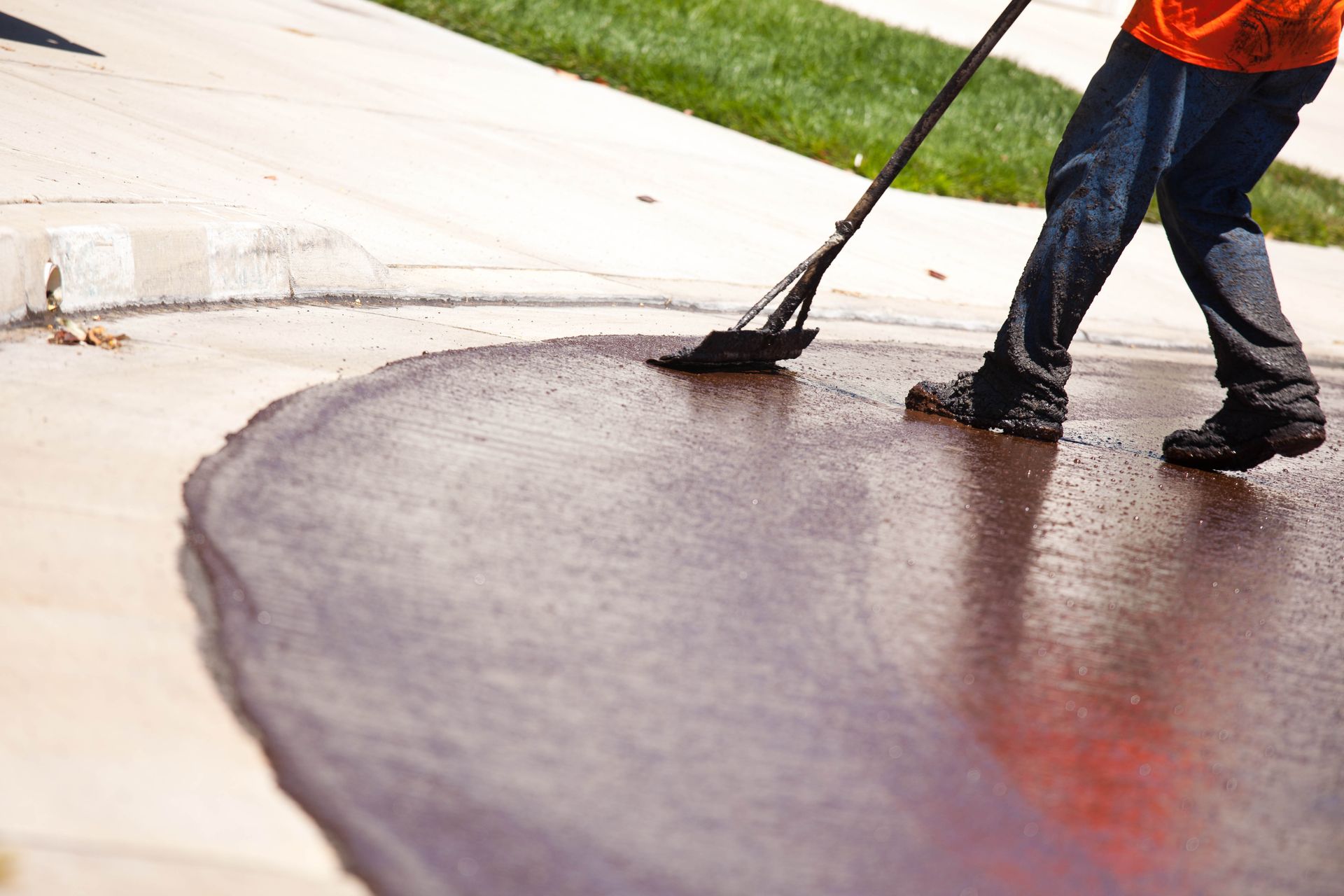
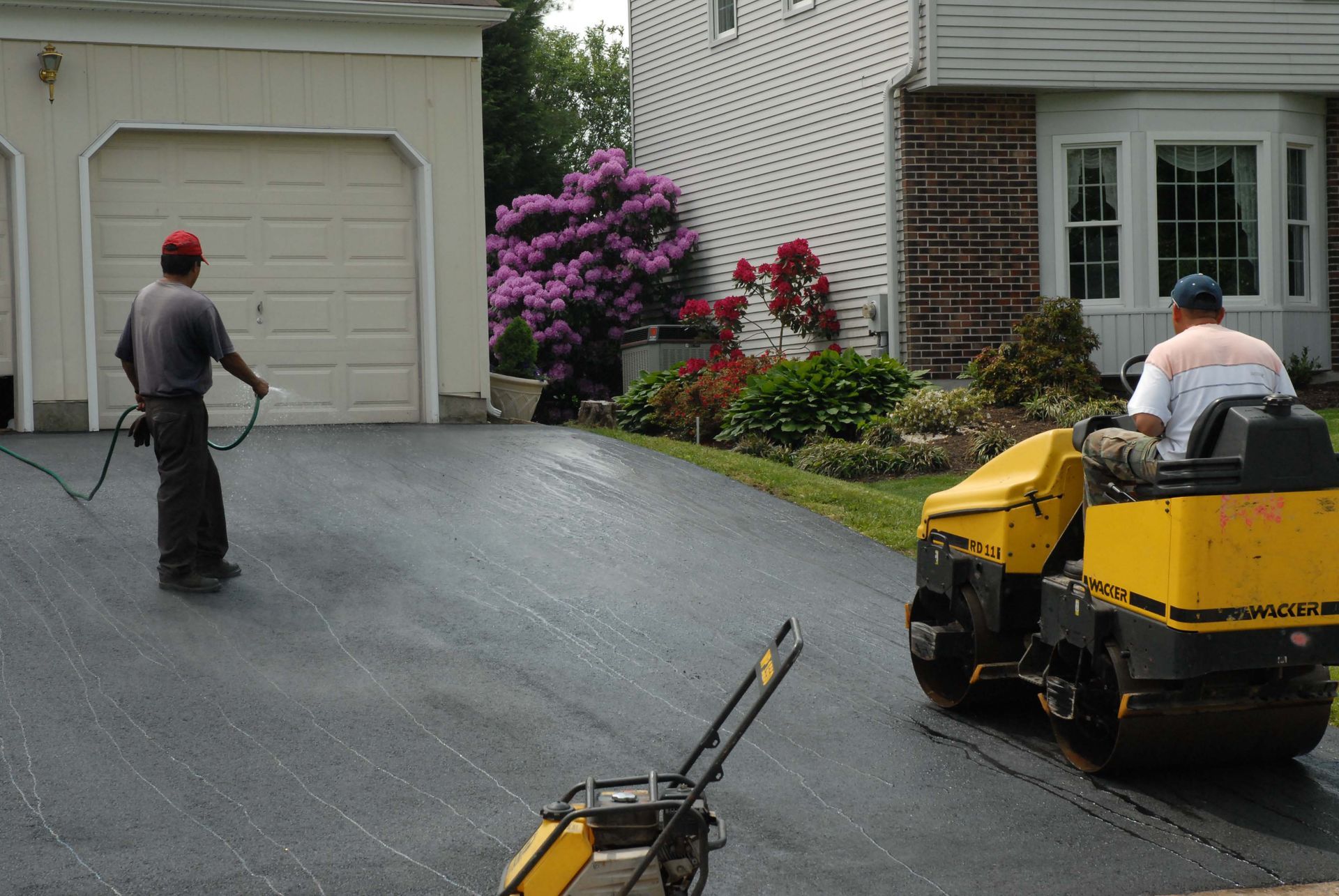
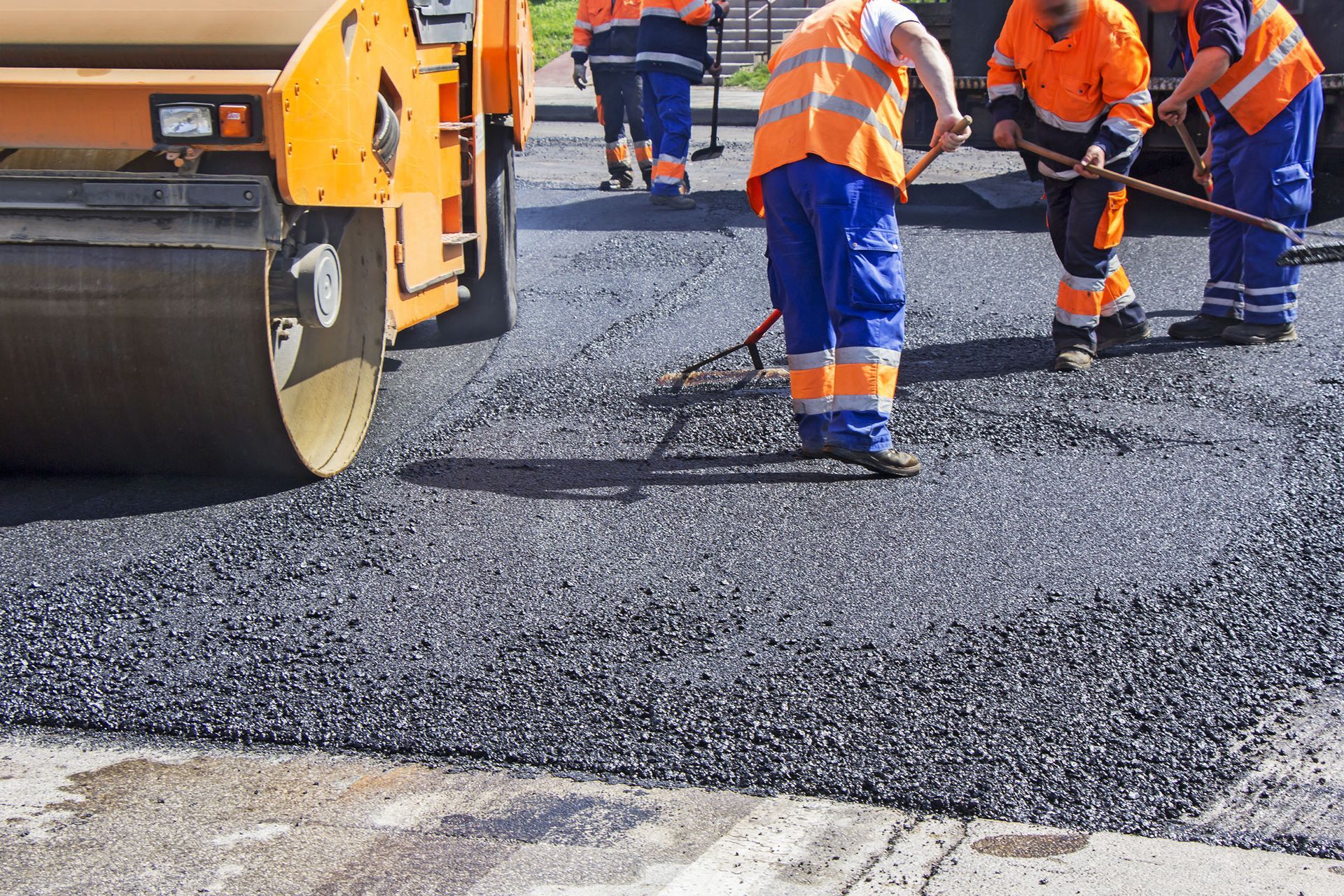
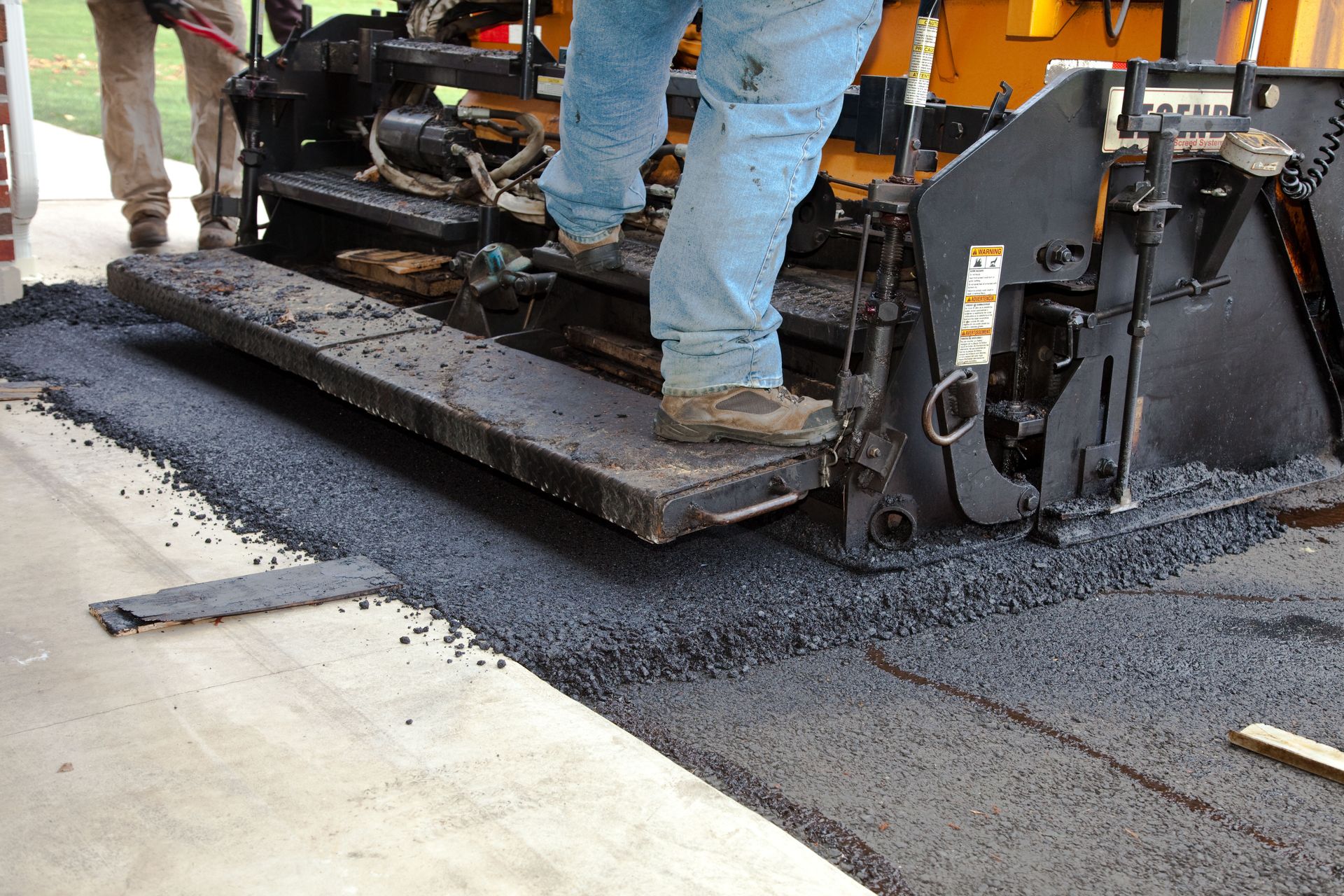
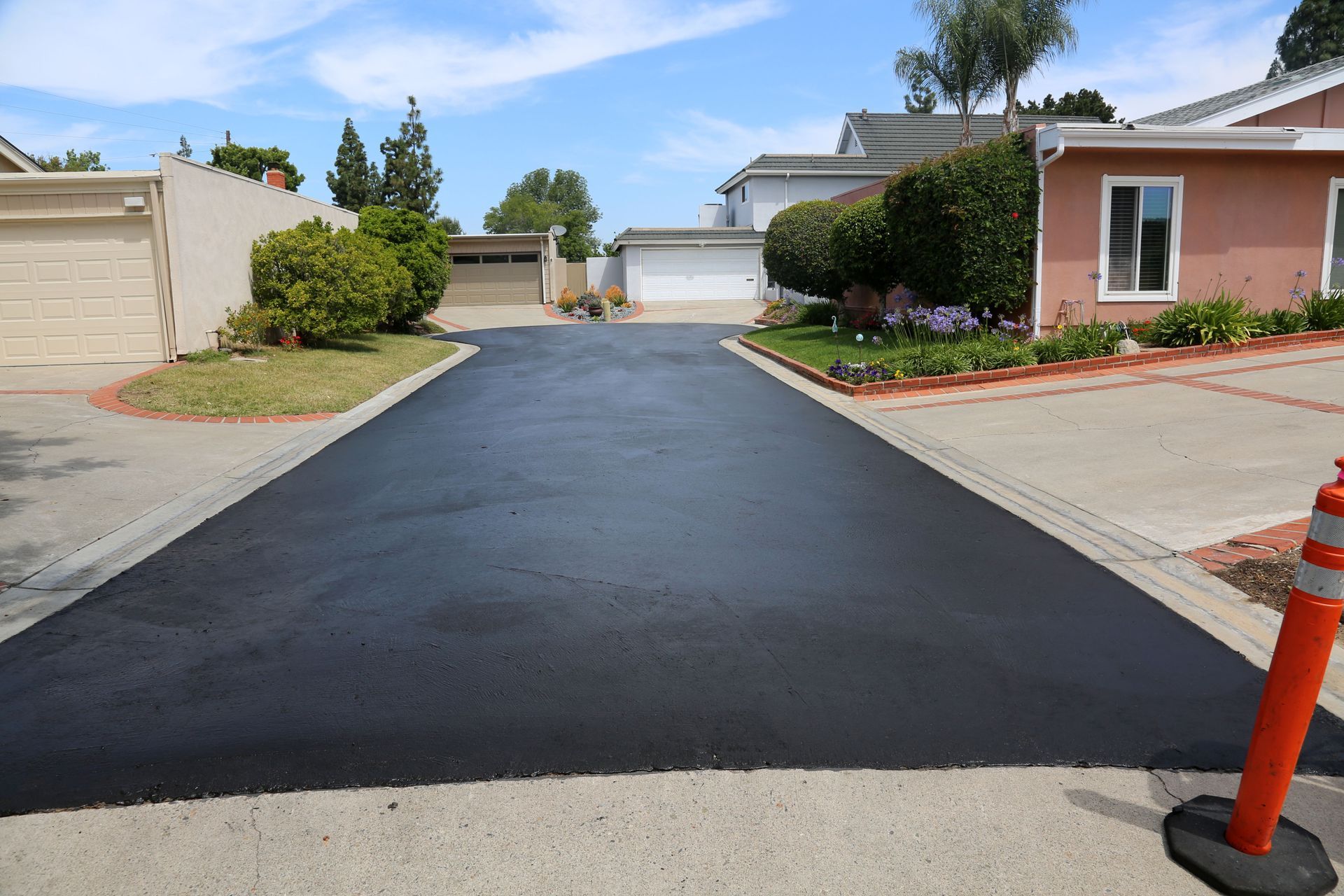
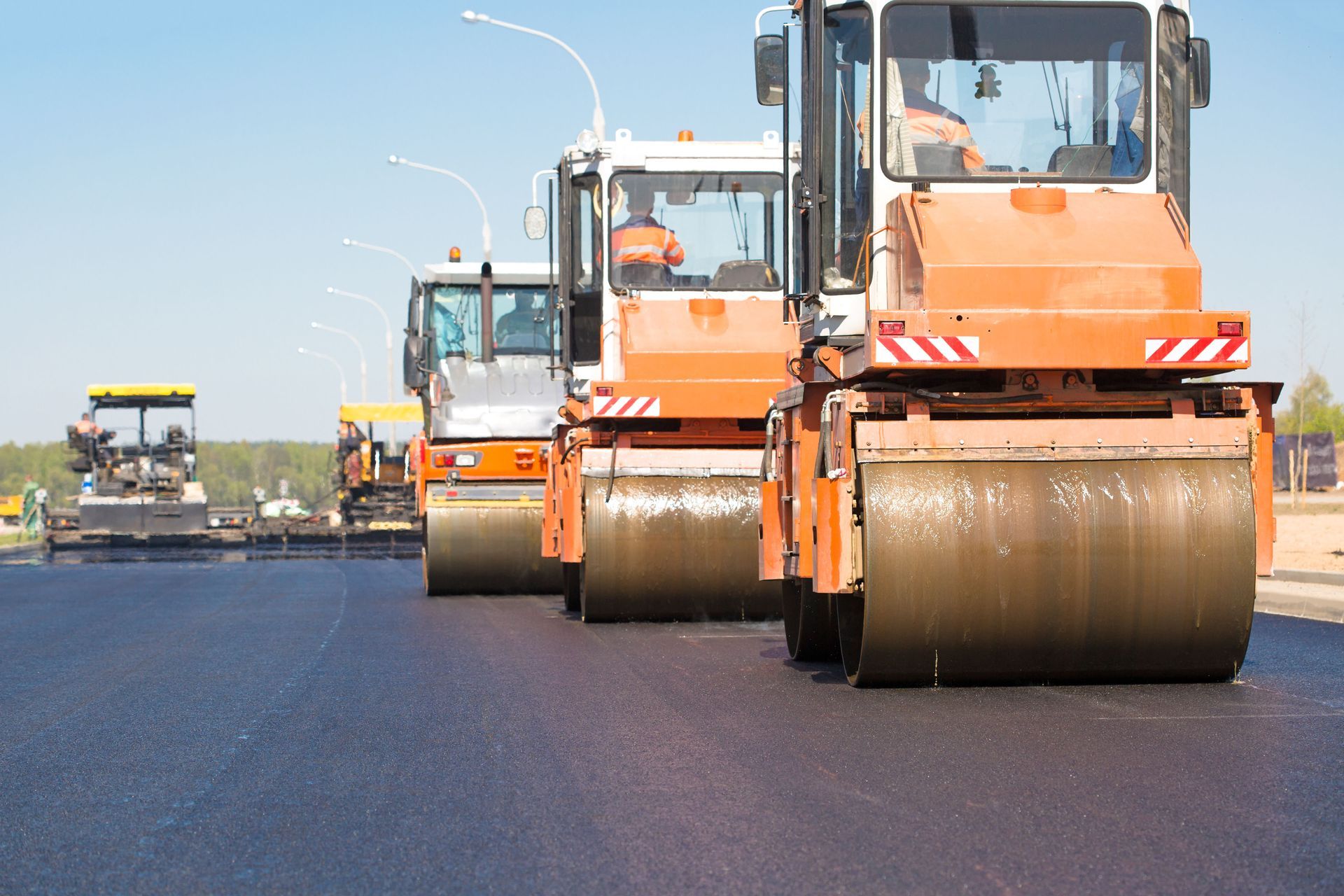
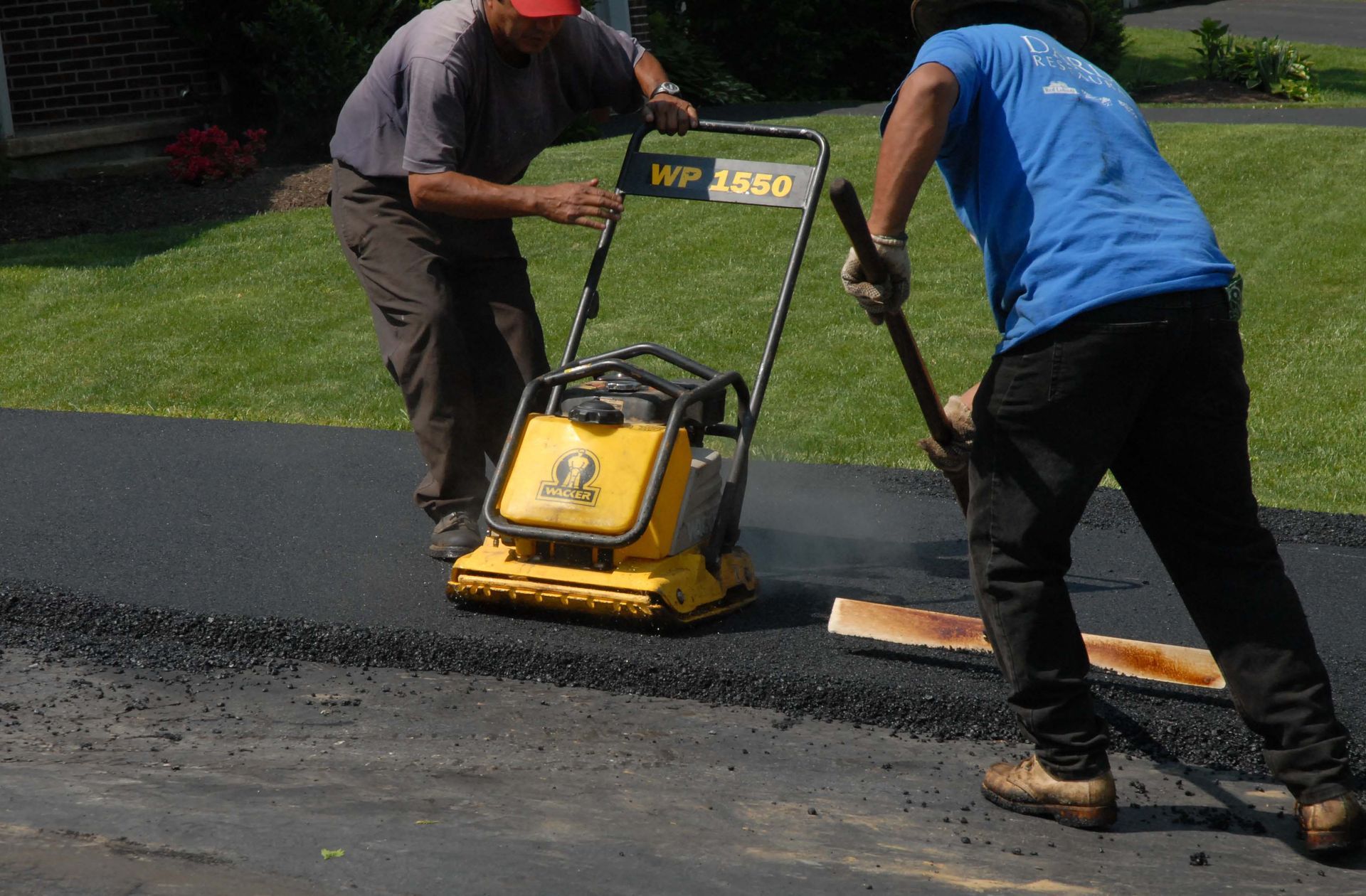
Asphalt resurfacing, often referred to as overlaying, involves applying a fresh layer of hot-mix asphalt directly over an existing paved surface. The process begins with deep cleaning and repairing localized structural defects. A skilled asphalt repair service addresses large potholes, clears debris, and fills wide cracks to establish a stable, even working surface. A tack coat adhesive is then applied to bond the old pavement securely to the new material. Finally, a thin layer of fresh asphalt is laid down and compacted with heavy rollers, creating a smooth surface that restores aesthetics and structural function.
The materials used in resurfacing include the underlying asphalt layer, the tack coat adhesive, and a customized top-coat mix containing fine aggregates and durable bitumen binders. One of the main benefits of resurfacing is its cost efficiency, as it requires less labor and raw material than complete replacement. It is also significantly less time-consuming, minimizing operational disruptions for commercial properties and residential driveways alike.
Resurfacing is ideal for surfaces that remain structurally sound underneath. It works best when the sub-base is intact, and surface imperfections are limited to minor cracking, shallow depressions, or superficial weathering. A qualified asphalt repair service can evaluate whether your pavement qualifies for an overlay, helping you save money while refreshing your property's overall curb appeal.
Understanding Asphalt Replacement
Asphalt replacement involves completely removing the existing pavement and rebuilding the entire structure from the ground up. This process begins with heavy excavation, where old asphalt is demolished, hauled away, and recycled whenever possible. Next, the underlying sub-base is inspected, regraded, and thoroughly compacted to establish a stable foundation. Fresh layers of hot-mix asphalt are then applied in lifts and compacted to create a resilient, long-lasting surface built for heavy loads.
The materials required for replacement include fresh hot-mix asphalt, crushed aggregate base courses, and optional soil stabilization agents. The primary benefit of complete replacement is restored structural integrity. By resolving underlying sub-base failures, replacement eliminates hidden weaknesses, allowing the new surface to withstand heavy traffic and severe weather conditions far better than a simple overlay.
Full replacement is recommended when the existing pavement is heavily cracked, rutted, or crumbling across a major portion of its total area. When the sub-base fails, resurfacing only acts as a temporary bandage. Partnering with an experienced asphalt repair service ensures that severe structural failures are correctly diagnosed and addressed through full reconstruction rather than temporary surface fixes.
Comparative Analysis of Resurfacing and Replacement
Durability and longevity are key considerations when deciding between these two maintenance options. Resurfacing enhances surface appearance and offers a functional lifespan of 8 to 15 years when properly maintained. In contrast, a full asphalt replacement provides a brand-new foundation and surface, delivering 15 to 25 years or more of dependable service. Regular maintenance is essential for both methods; according to This Old House, asphalt paving can endure for 15 to 20 years if it is regularly sealed.
A thorough cost-benefit analysis highlights clear tradeoffs between initial expenditure and long-term value. Resurfacing requires a smaller upfront financial investment, making it attractive for budget-conscious property managers. However, full replacement offers greater long-term savings for heavily damaged sites by eliminating the need for frequent, recurring repairs on a failing sub-base.
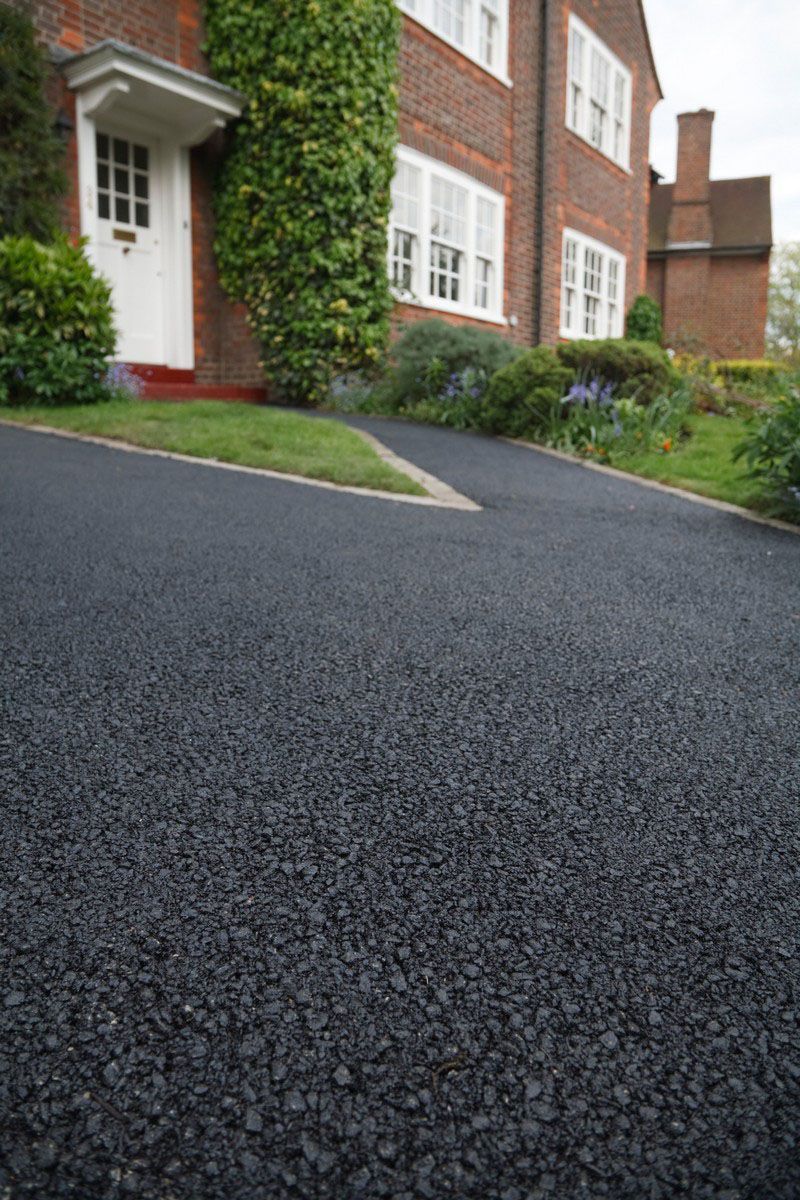
Environmental impact also differs between the two techniques. Resurfacing generates minimal construction waste because it leaves the existing base layer intact, preserving natural resources. On the other hand, replacement allows old materials to be fully recycled into reclaimed asphalt pavement, reducing landfill waste. From an aesthetic standpoint, both methods deliver a dark, clean finish, but replacement completely erases deep structural blemishes and drainage issues that resurfacing might only temporarily cover.
Factors Influencing Decision Making
The physical condition of the existing asphalt remains the single most critical factor in deciding between resurfacing and replacement. Minor surface cracks, shallow depressions, and cosmetic fading are easily corrected with an overlay. However, widespread alligator cracking, deep rutting, and standing water point to sub-base failure that demands a full replacement. An expert assessment by a reliable asphalt repair service ensures the correct method is selected for your pavement's exact condition.
Budget constraints and expected traffic loads also play major roles in the decision-making process. While resurfacing provides immediate cost relief, properties subject to heavy truck traffic or high vehicle turnover need the load-bearing strength of a newly constructed foundation. Additionally, time restrictions can influence the final choice, as resurfacing projects are completed faster with far less site disruption than full-scale excavation.
Long-term property goals must be factored into your maintenance strategy. If you plan to sell or reposition a commercial property within a few years, resurfacing offers an economical way to boost curb appeal quickly. Conversely, if you intend to hold the asset long-term, investing in full replacement eliminates surprise repair costs and secures your infrastructure for decades.
Technological Advancements and Industry Practices
Innovations in asphalt engineering continue to improve both resurfacing and replacement outcomes. Modern warm-mix asphalt technologies reduce production energy requirements, effectively lowering greenhouse gas emissions during application. High-performance polymer additives increase flexibility, making fresh pavement more resistant to extreme temperature fluctuations and heavy wheel loads.
Smart monitoring tools, including infrared thermal imaging and drone mapping, allow technicians to detect subterranean moisture intrusion before choosing a repair strategy. These advancements help an asphalt repair service design precise interventions, ensuring materials are applied efficiently and accurately.
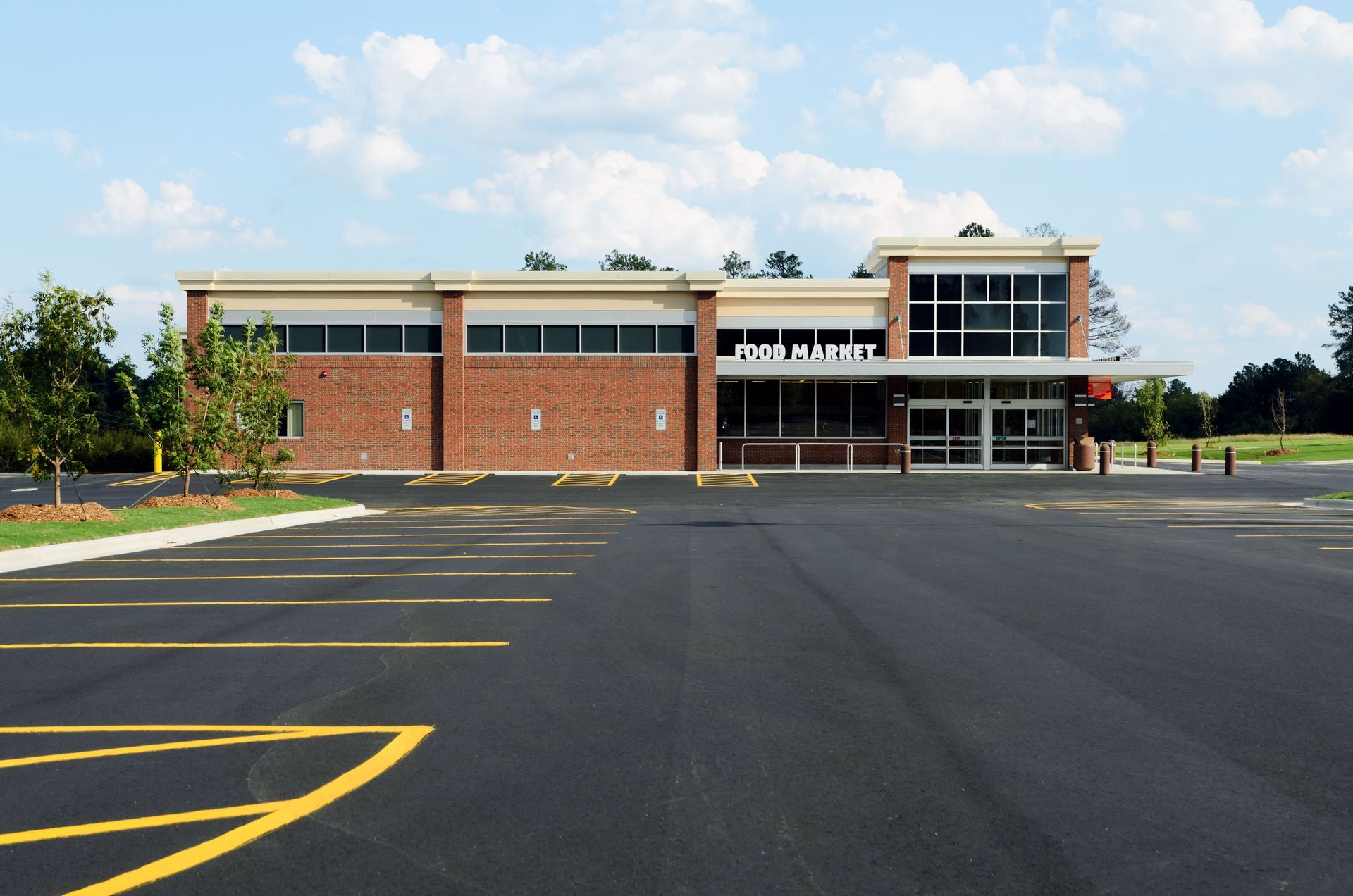
Real-world applications highlight the importance of choosing the correct maintenance strategy. A regional shopping center successfully restored its parking facilities by choosing resurfacing, saving considerable capital while completing work in stages to avoid customer disruption. Conversely, an industrial distribution hub that attempted to resurface over a failing sub-base experienced severe cracking within two years, eventually requiring a costly full replacement.
These case studies emphasize the value of thorough pre-project site assessments. Best practices dictate conducting core sampling, evaluating drainage patterns, and assessing sub-surface stability before choosing an overlay. Relying on an asphalt repair service guarantees these industry protocols are followed, preventing premature surface failures.
Deciding between asphalt resurfacing and replacement comes down to assessing your pavement's structural condition, balancing immediate budgets against long-term goals, and understanding future traffic demands. Resurfacing provides a fast, cost-effective way to renew surfaces with an intact foundation, while complete replacement delivers a durable, fresh start for severely deteriorated pavement. Implementing a proactive maintenance plan preserves your investment and keeps your property safe, smooth, and visually appealing. When you are ready to evaluate your pavement, repair structural cracks, or restore your parking lot with precision line striping, trust the experienced team at Hargrove Sealcoating and Striping to deliver exceptional results tailored to your property.
Share On: