How Long Does a New Asphalt Driveway Last?
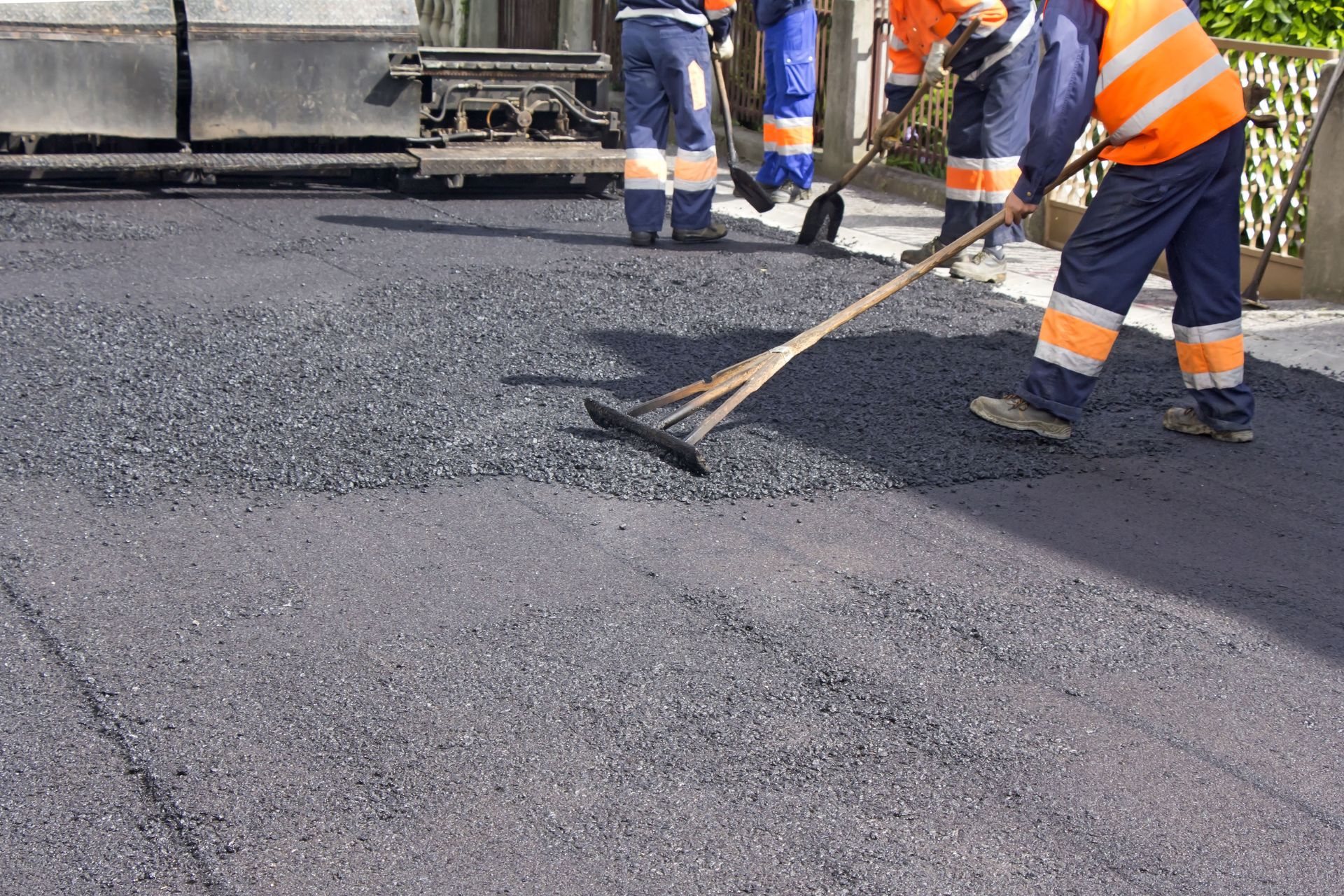
Installing a brand-new driveway represents a major upgrade that enhances the curb appeal, accessibility, and market value of any residential property. Under optimal conditions and with professional installation, a new residential asphalt driveway typically lasts between 15 and 30 years. Achieving this impressive lifespan requires a deep understanding of structural foundations, routine maintenance, and prompt intervention whenever surface flaws begin to develop.
Examining the Average Lifespan of Pavement
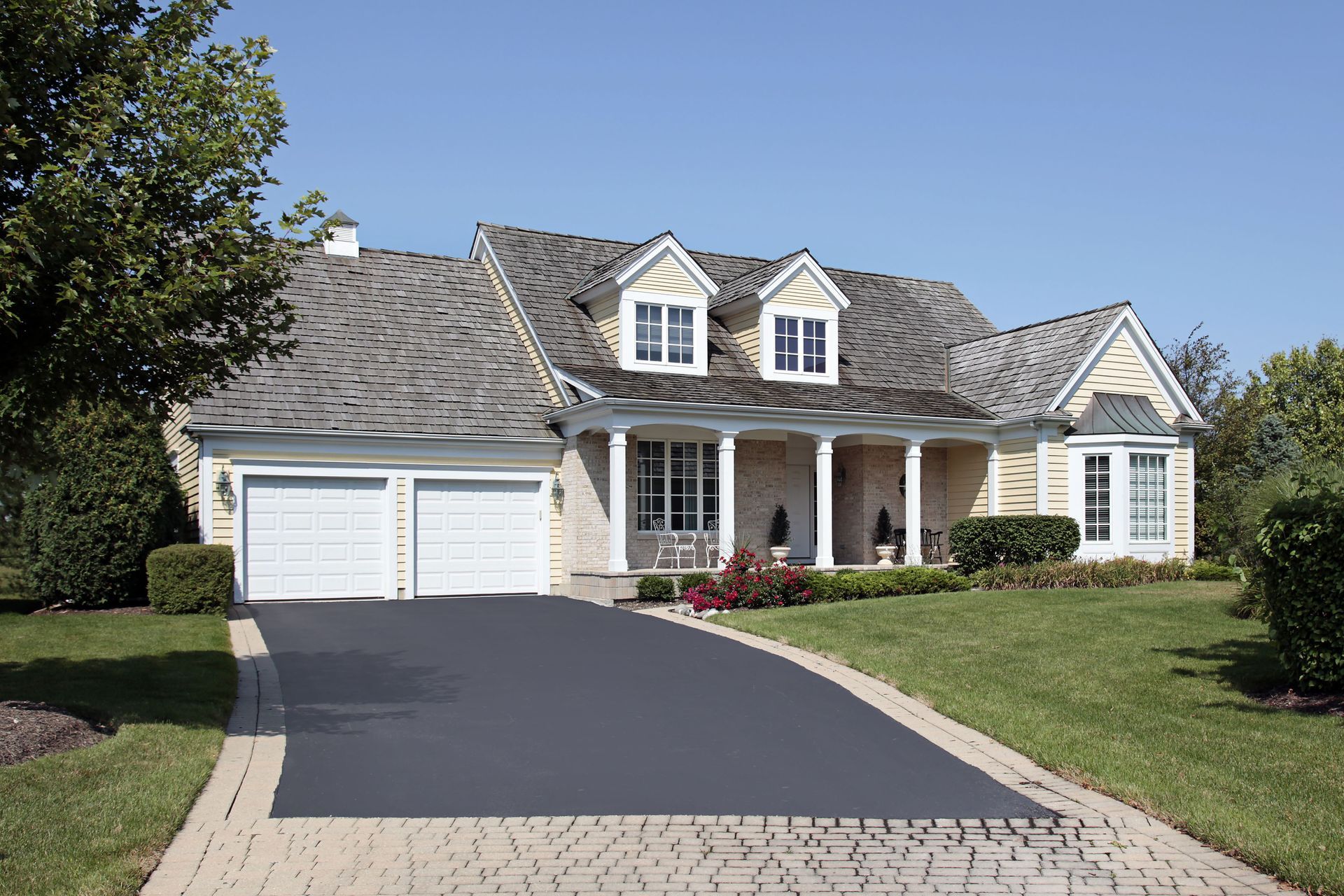
A newly installed residential surface provides a smooth, jet-black entryway that withstands thousands of vehicle trips over its lifetime. Most homeowners can expect an asphalt surface to remain functional and attractive for two to three decades when supported by an adequately compacted sub-base. The longevity of pavement depends heavily on initial construction standards, environmental stressors, and the consistency of preventative maintenance. When property owners prioritize timely pavement assessments, they avoid early deterioration and protect their long-term home investment.
Driveway wear begins the moment installation finishes, as oxygen, sunlight, and precipitation immediately interact with the petroleum binder. Over the first five to ten years, unsealed pavement transitions from a deep black to an oxidized gray, signaling that the flexible oils within the mix are beginning to dry out. Without proactive protective measures, microscopic surface fissures quickly expand into extensive webbed cracks. Ignoring these minor signs of wear allows moisture to penetrate below the surface, shortening the expected lifespan of the driveway to fewer than 15 years.
Understanding the Key Factors Influencing Durability
Every asphalt driveway faces unique environmental and operational conditions that directly impact how long it will endure. Several critical factors dictate whether a surface reaches its full structural potential or requires premature replacement:
- Foundation and Drainage Quality: The aggregate base layer beneath the asphalt must be thoroughly compacted and graded to encourage water runoff. Standing water softens the supporting soil, destabilizing the entire structure and accelerating structural cracking.
- Traffic Weight and Volume: Driveways that regularly support heavy equipment, delivery trucks, or recreational vehicles endure significantly higher mechanical stress than those hosting standard sedans. Over time, recurring heavy loads cause rutting, depressions, and localized sub-base failure.
- Sunlight and Climate Fluctuations: Ultraviolet rays break down asphalt binders through oxidation, causing the pavement to become brittle. Frequent freeze-thaw cycles further stress the material, as trapped water expands by roughly 9% when freezing, widening existing voids.
- Chemical Contamination: Motor oil, antifreeze, and gasoline dissolve the petroleum-based binder within asphalt. Left unaddressed, vehicle leaks soften the aggregate matrix, producing sunken spots and loose gravel.
Recognizing the Early Signs of Deterioration
Identifying pavement issues in their infancy prevents small surface defects from escalating into full-scale structural collapses. Homeowners who monitor their driveways can schedule asphalt repairs before minor issues threaten the sub-base.
Hairline fissures represent the earliest visual indicator of binder loss, often appearing within three to five years of installation. If water infiltrates these crevices, winter freezing pushes the asphalt upward, leading to interconnected "alligator" cracks that resemble reptilian skin. Once cracking reaches this stage, the base material beneath the pavement is often saturated, making surface-level sealants ineffective. Depressions and low spots also indicate that the underlying soil has settled or shifted, creating collection basins for rainwater that weaken the surrounding edges.
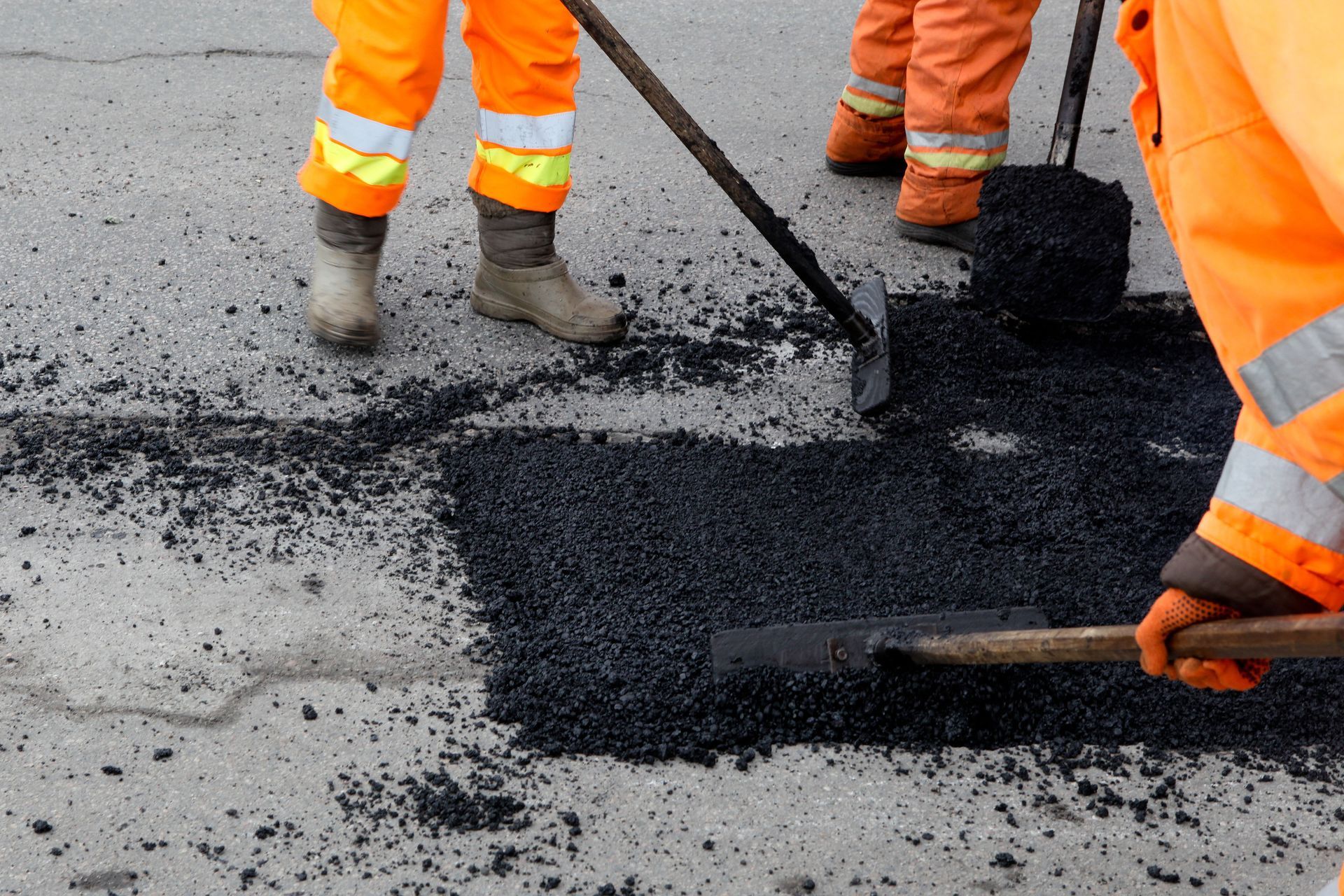
Whenever deep cracks or potholes appear, hiring a licensed contractor for timely asphalt repairs ensures the surrounding pavement remains intact and safe for everyday vehicle use. Professional patching cuts away degraded sections, addresses localized base failures, and bonds fresh hot-mix asphalt seamlessly with the existing surface.
Protecting Your Investment Through Professional Maintenance
Routine maintenance serves as the single most effective defense against early pavement failure. Establishing a proactive care schedule safeguards the asphalt binder, resists moisture penetration, and preserves a rich, uniform appearance.
- Keep the Surface Clean: Regularly sweep away organic debris, leaves, and dirt that trap moisture against the pavement. Wash away chemical drips, fuel spills, and oil stains promptly to prevent the binder from dissolving.
- Seal Structural Cracks: Fill emerging cracks with hot-pour, rubberized sealant before seasonal temperatures drop. Sealing stops water from infiltrating the sub-grade, preventing frost heave and winter expansion damage.
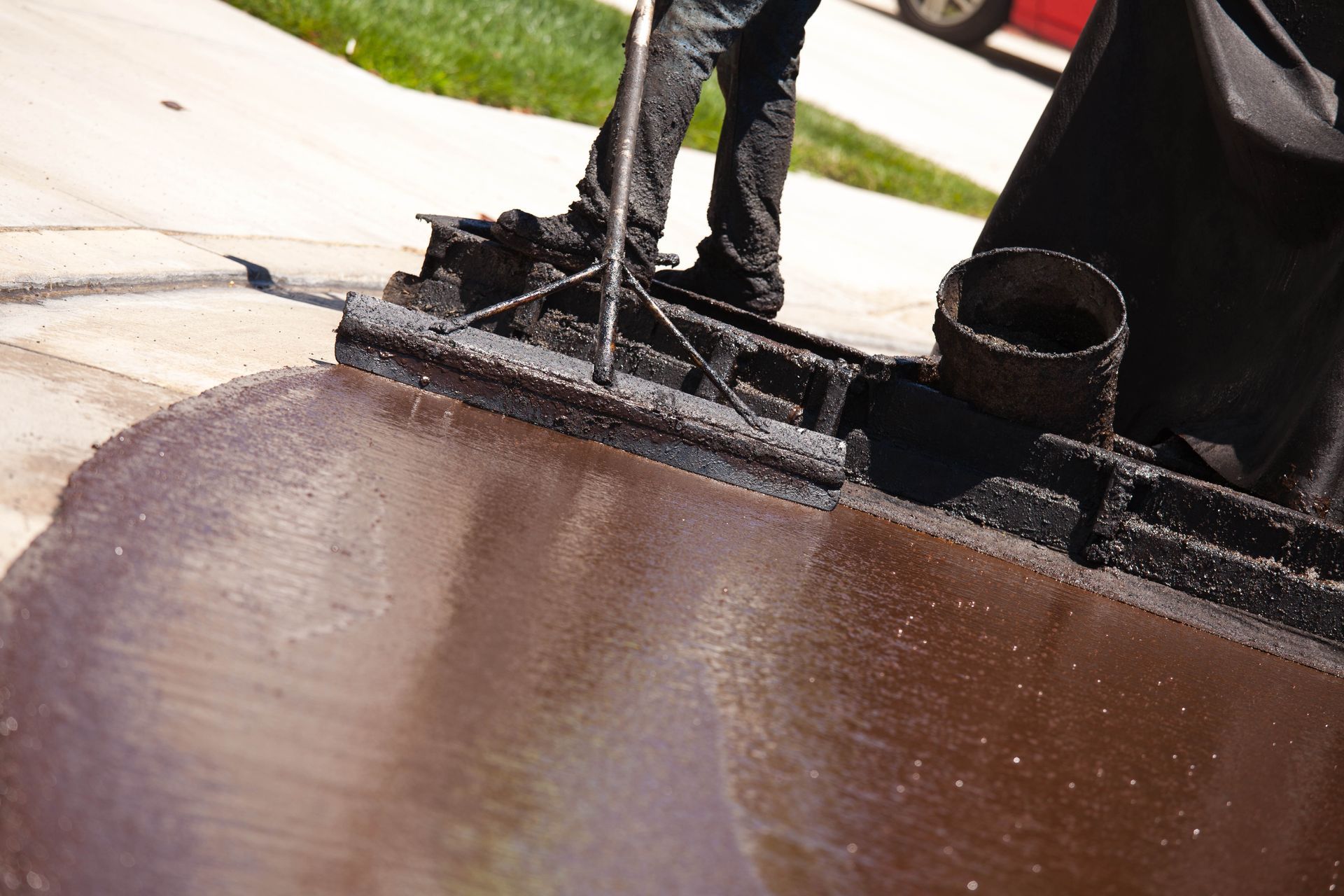
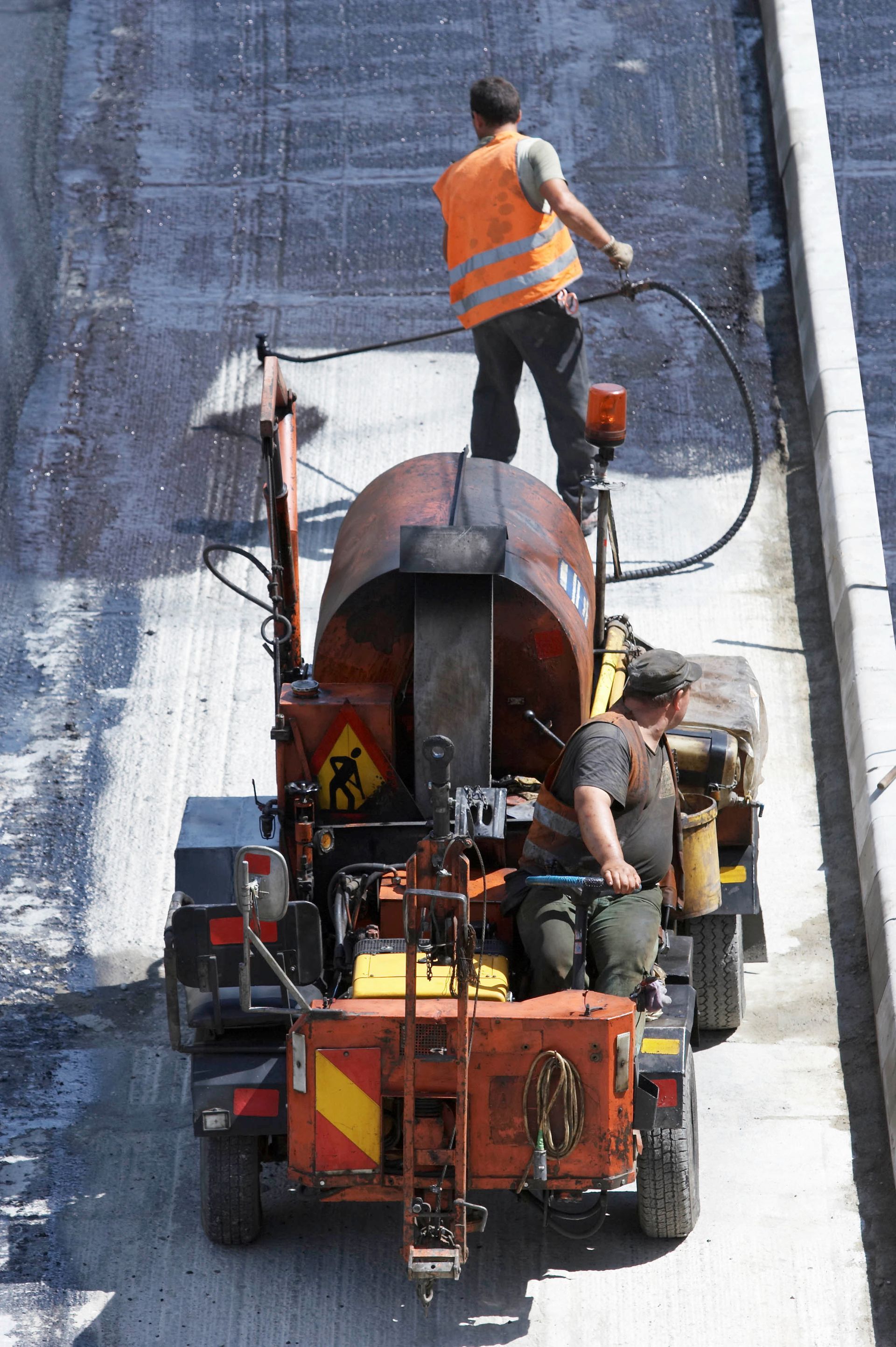
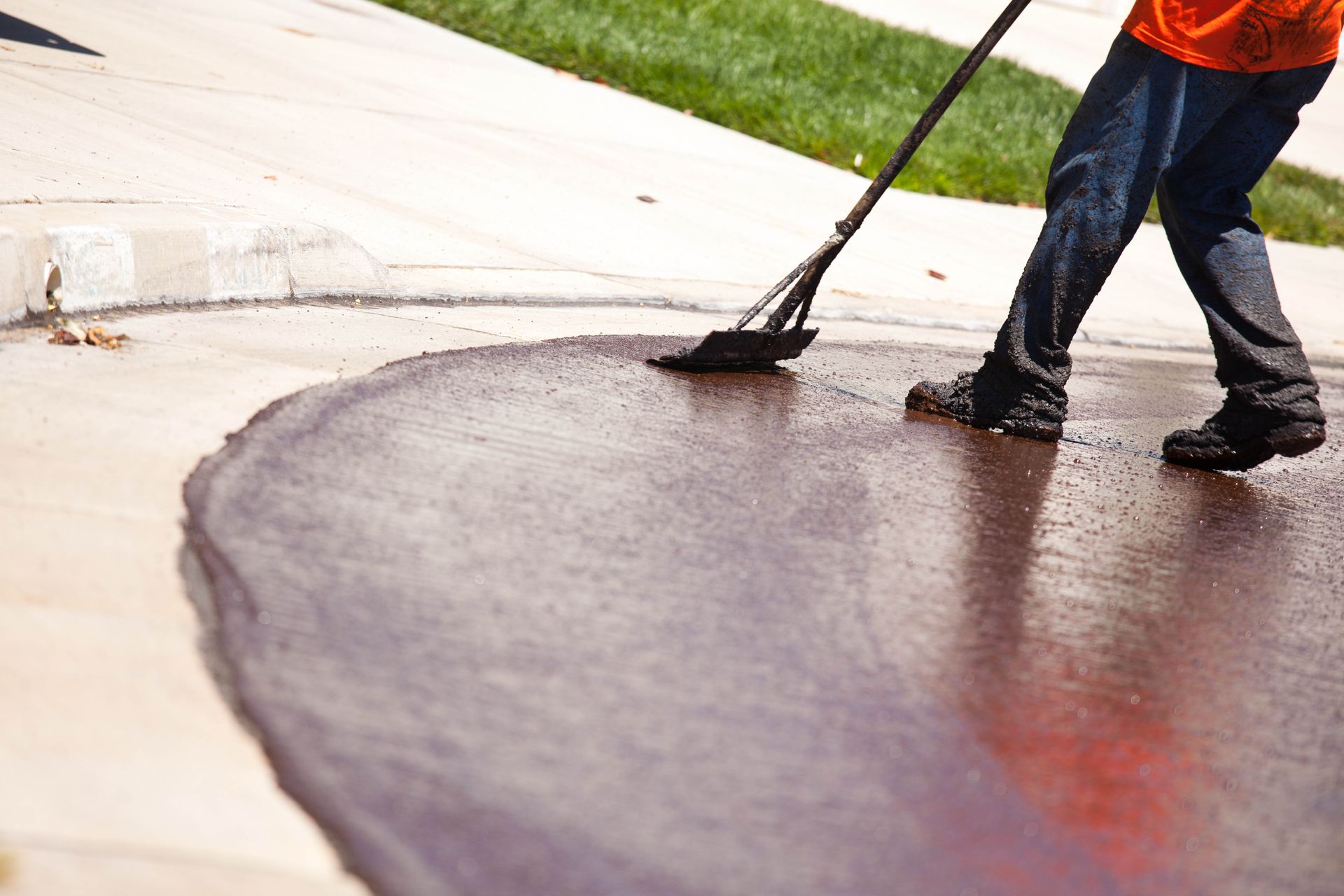
- Apply Protective Sealcoating: Apply a high-grade commercial sealcoat every two to three years to shield the asphalt against ultraviolet radiation, automotive fluids, and rainwater. Professional contractors apply uniform layers that replenish vital oils and rejuvenate the driveway's original luster.
- Direct Water Runoff Away: Check that downspouts, landscape irrigation heads, and yard slopes divert water completely away from the edges of the driveway to preserve the sub-base integrity.
Navigating the Initial Curing Phase Correctly
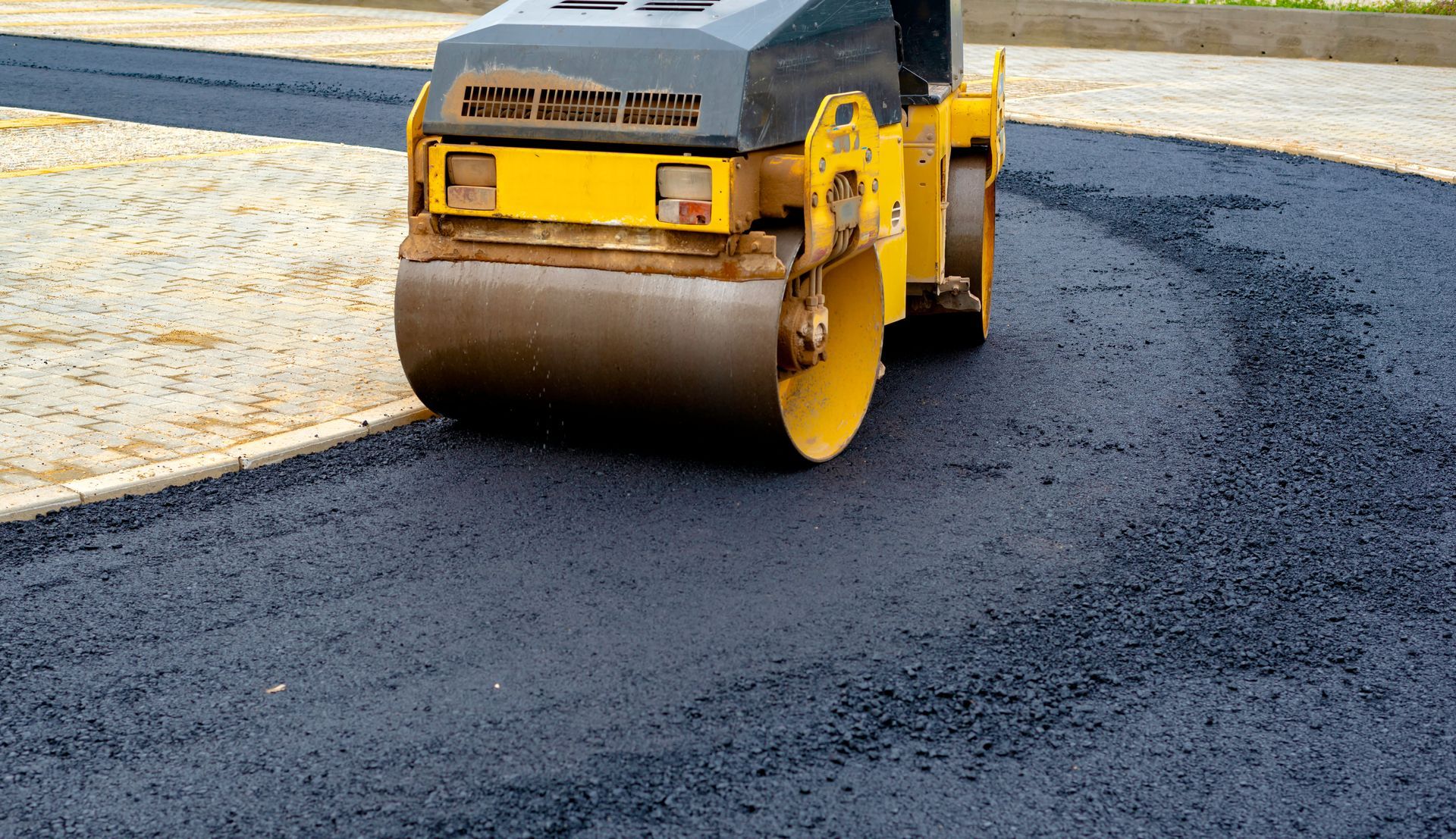
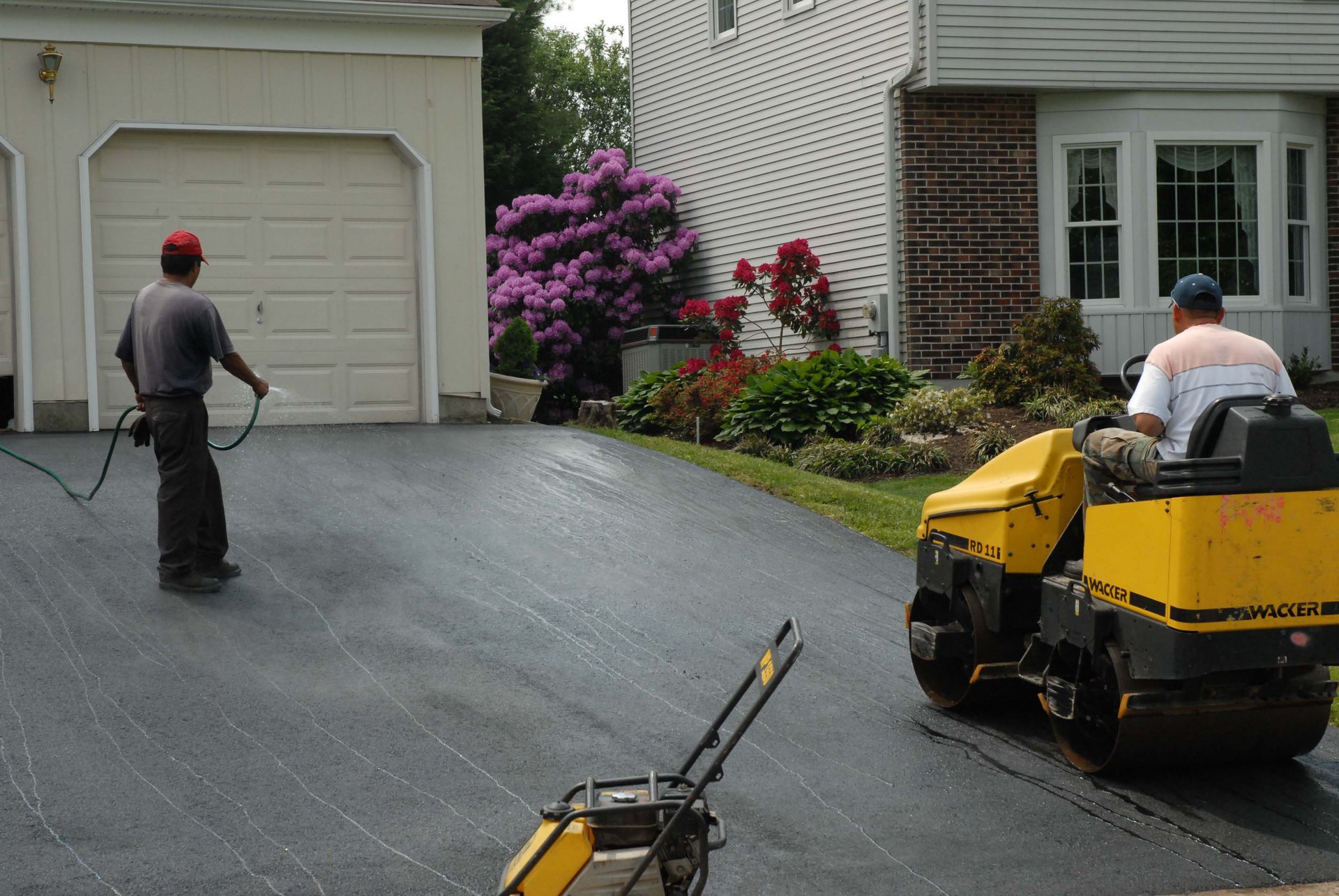
The first several days following asphalt paving are vital to the long-term structural integrity of the driveway. Although fresh asphalt cools within hours, the full curing process requires six to twelve months as volatile oils slowly evaporate from the aggregate mixture. During this vulnerable early stage, the surface remains pliable and easily scuffed by sudden vehicle maneuvers.
According to Fixr, asphalt takes up to three days to dry enough to handle foot and vehicle traffic. Professional paving contractors frequently advise homeowners to keep vehicles off the fresh pavement for at least three full days, especially during hot summer weather when ambient heat slows the hardening process. Even after this initial window passes, drivers should avoid turning their steering wheels while parked, parking heavy trailers on the surface, or placing pointed objects like bicycle kickstands on the uncured pavement. Proper initial care ensures the aggregate sets firmly without indentations, wheel ruts, or unsightly surface scuffs.
Scheduling Timely Interventions and Professional Restoration
Even the best-maintained pavement eventually shows signs of structural fatigue as it approaches two decades of service. When localized failures emerge, homeowners must evaluate whether targeted restoration or a complete structural overhaul is the most cost-effective path forward.
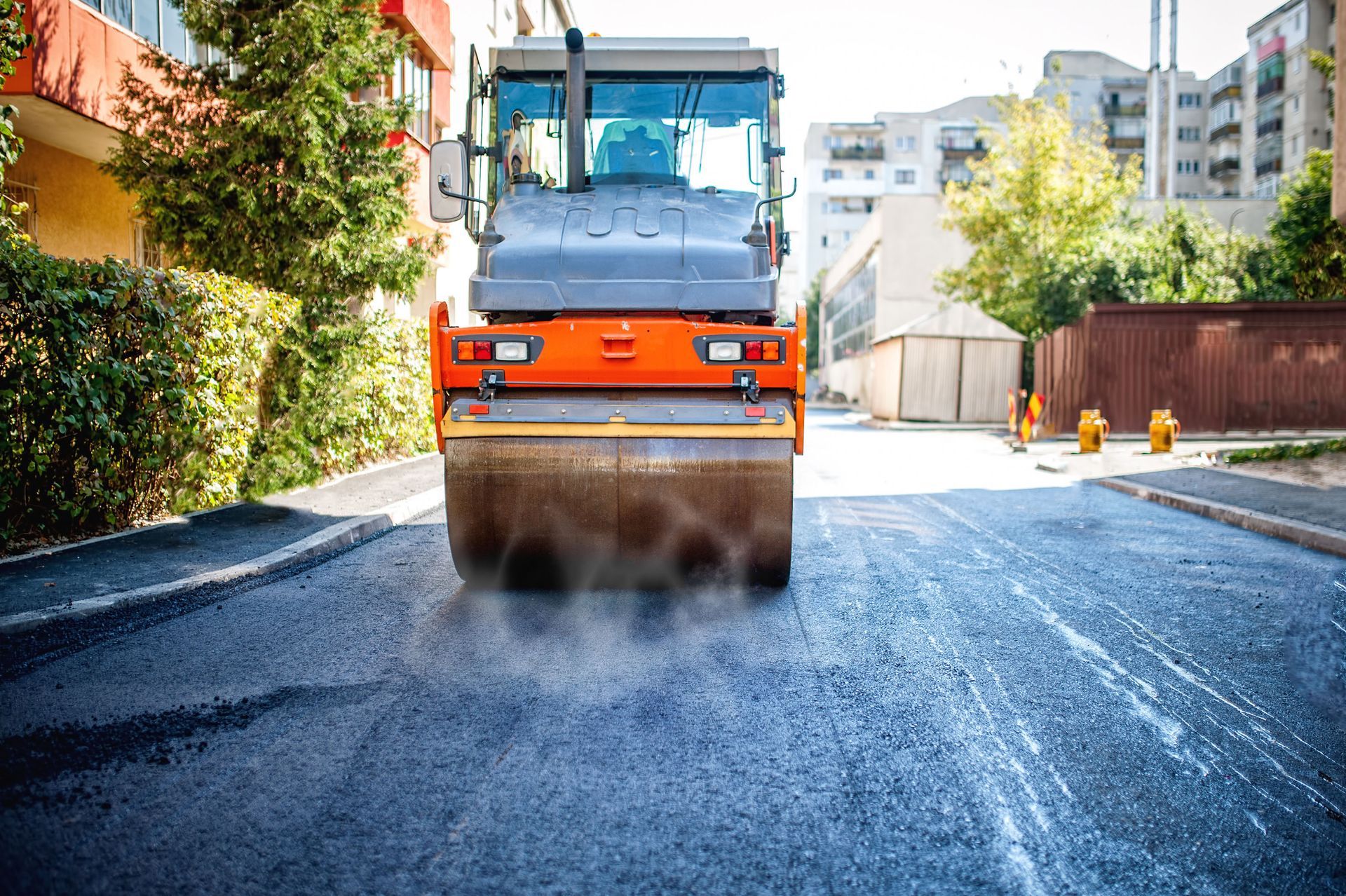
Addressing localized trouble areas through precision asphalt repairs restores foundational stability while saving property owners thousands of dollars compared to premature replacement. When settling, extensive rutting, or severe alligator cracking compromises fewer than 25% of the total driveway area, targeted asphalt patching and repair resolves the root cause without disturbing healthy sections. Professional contractors use heavy equipment to saw-cut around the perimeter of the damaged zone, excavate unstable material down to the stone base, re-compact the underlying aggregate, and install fresh asphalt that matches the existing grade.
If the driveway has suffered systemic drainage failure or if structural cracks cover more than 35% of the total footprint, full resurfacing or complete reconstruction becomes necessary. Pavement professionals assess the structural soundness of the underlying base to determine whether an asphalt overlay is feasible or if the entire driveway must be excavated and rebuilt from the ground up.
Partnering With Reliable Pavement Specialists
Maintaining a smooth, durable, and attractive driveway requires the knowledge, specialized machinery, and proven techniques of seasoned pavement professionals. While surface cleaning can be handled as part of routine household chores, complex restoration tasks, hot-pour crack sealing, infrared patching, and commercial sealcoating demand licensed craftsmanship. Entrusting your pavement care to certified contractors guarantees that every layer, from the compacted aggregate sub-base to the final protective coat, receives exact installation standards backed by formal service warranties.
Investing in consistent care prolongs your driveway's service life, shields your property value, and ensures your home retains outstanding curb appeal year after year. Proactive homeowners who partner with licensed specialists save money by addressing surface fatigue before moisture penetrates the stone foundation. When your pavement begins to show signs of weathering, surface cracking, or oil damage, scheduling timely asphalt repairs restores lasting structural integrity and keeps your driveway looking immaculate. Protecting your home's exterior surfaces begins by choosing a trusted contractor dedicated to superior craftsmanship, dependable scheduling, and long-term pavement protection. For exceptional asphalt paving, patching, and protective maintenance, contact the experienced professionals at Hargrove Sealcoating and Striping.

Share On: