Long-Term Cost Savings: Why Sealcoating Services Pay Off
Explore the comprehensive benefits of sealcoating services, focusing on their role in extending the lifespan of asphalt surfaces and minimizing long-term maintenance costs. Sealcoating acts as a protective shield for asphalt surfaces, warding off the detrimental effects of environmental conditions. This service is an indispensable investment that pays dividends in terms of durability, aesthetics, and cost savings. Understanding the intricacies of sealcoating can empower homeowners, municipalities, and businesses to make informed decisions about pavement maintenance. This article will delve into the essential aspects of sealcoating, including its process, benefits, and financial implications.
The Basics of Sealcoating: What It Is and How It Works
Understanding Sealcoating
Sealcoating refers to the process of applying a protective coating to asphalt surfaces to protect against damage from water, oils, and U.V. exposure. It consists mainly of water, mixed with asphalt, polymers, latex, fillers, and other additives. These components work together to create a sealed surface that hinders oxidation, repels water, and enhances the appearance of asphalt. The practice of sealcoating services addresses the porous nature of asphalt, which makes it susceptible to damage. By filling these pores and sealing the surface, the asphalt is better protected against the elements.
The Application Process
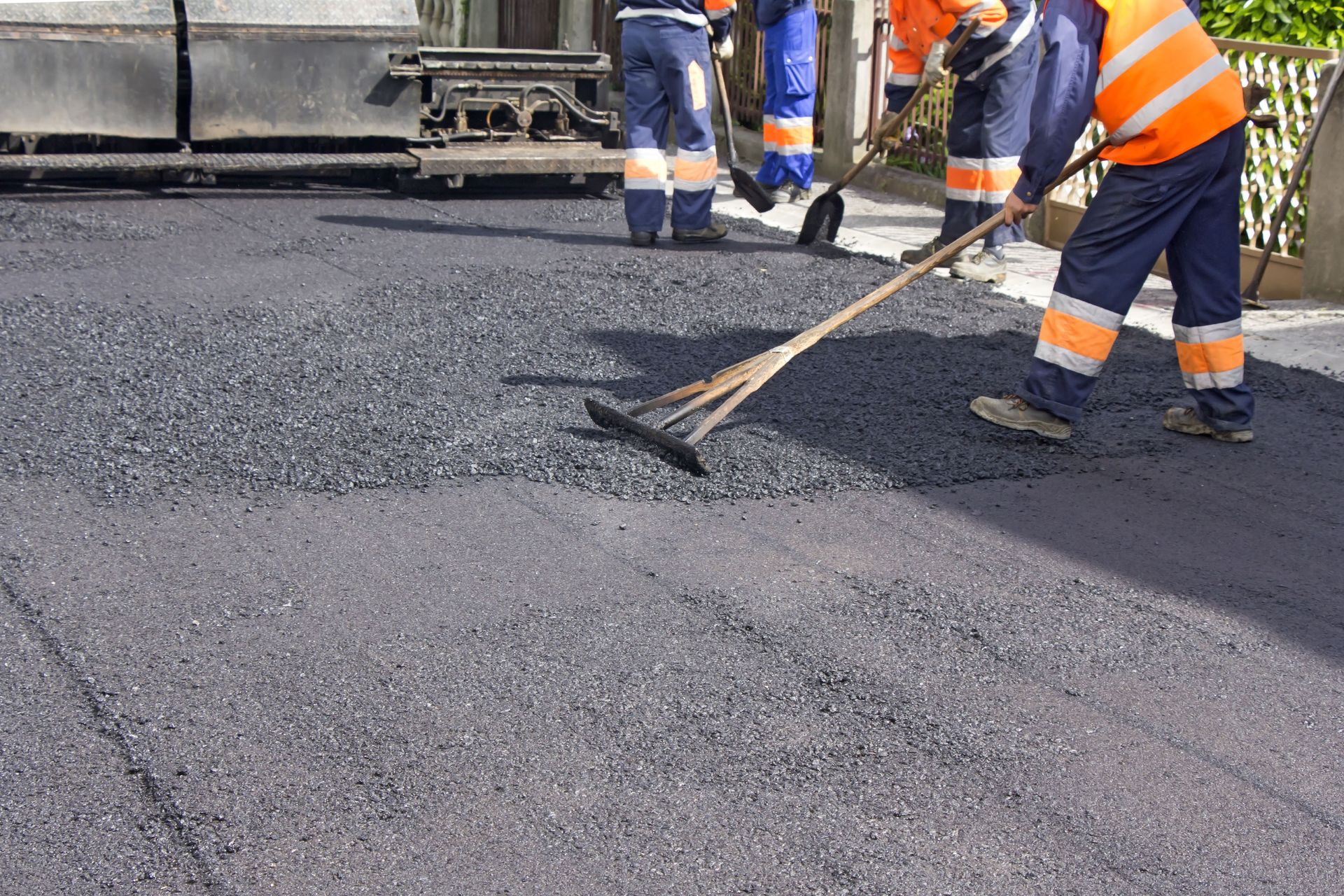
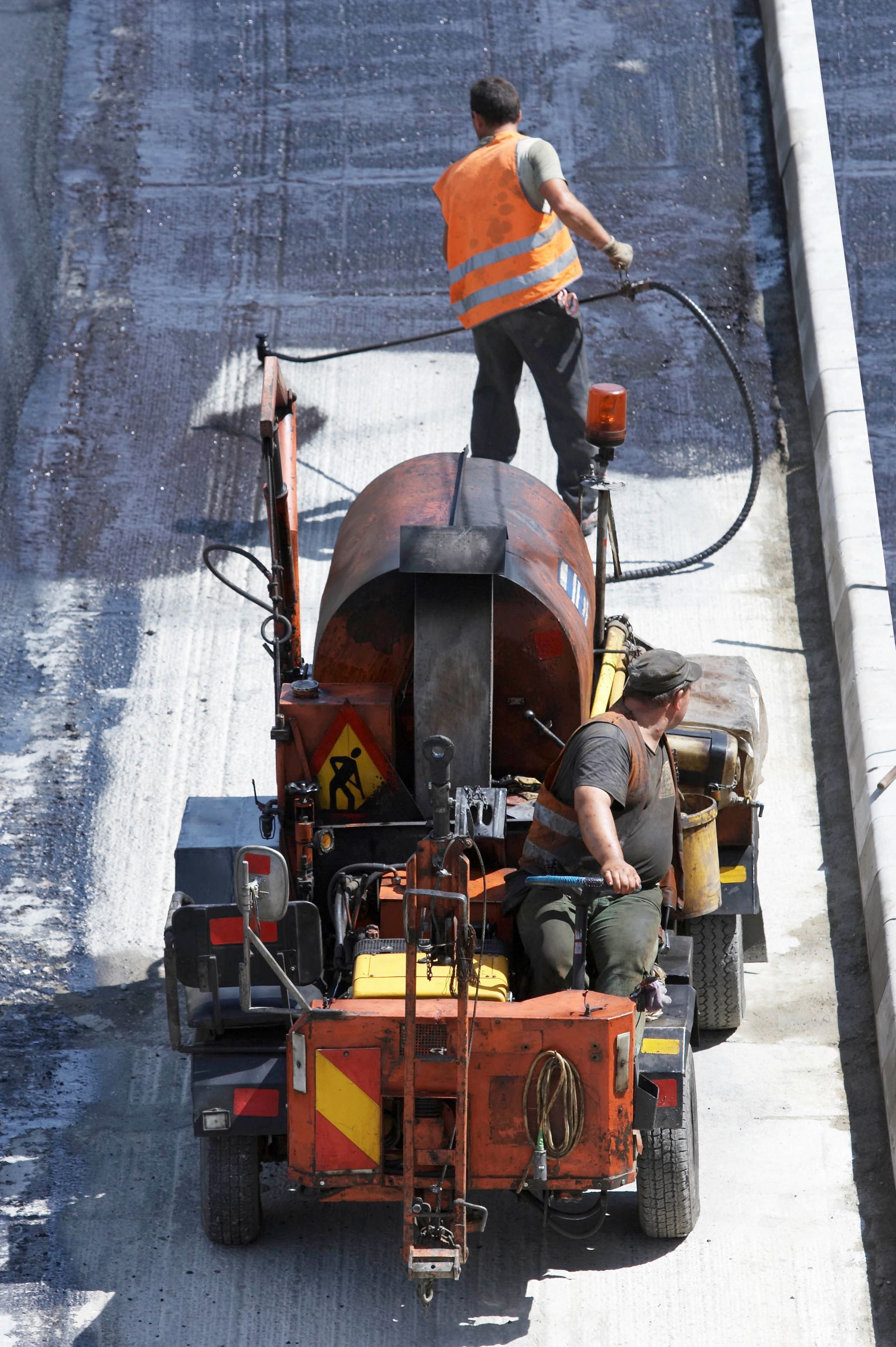
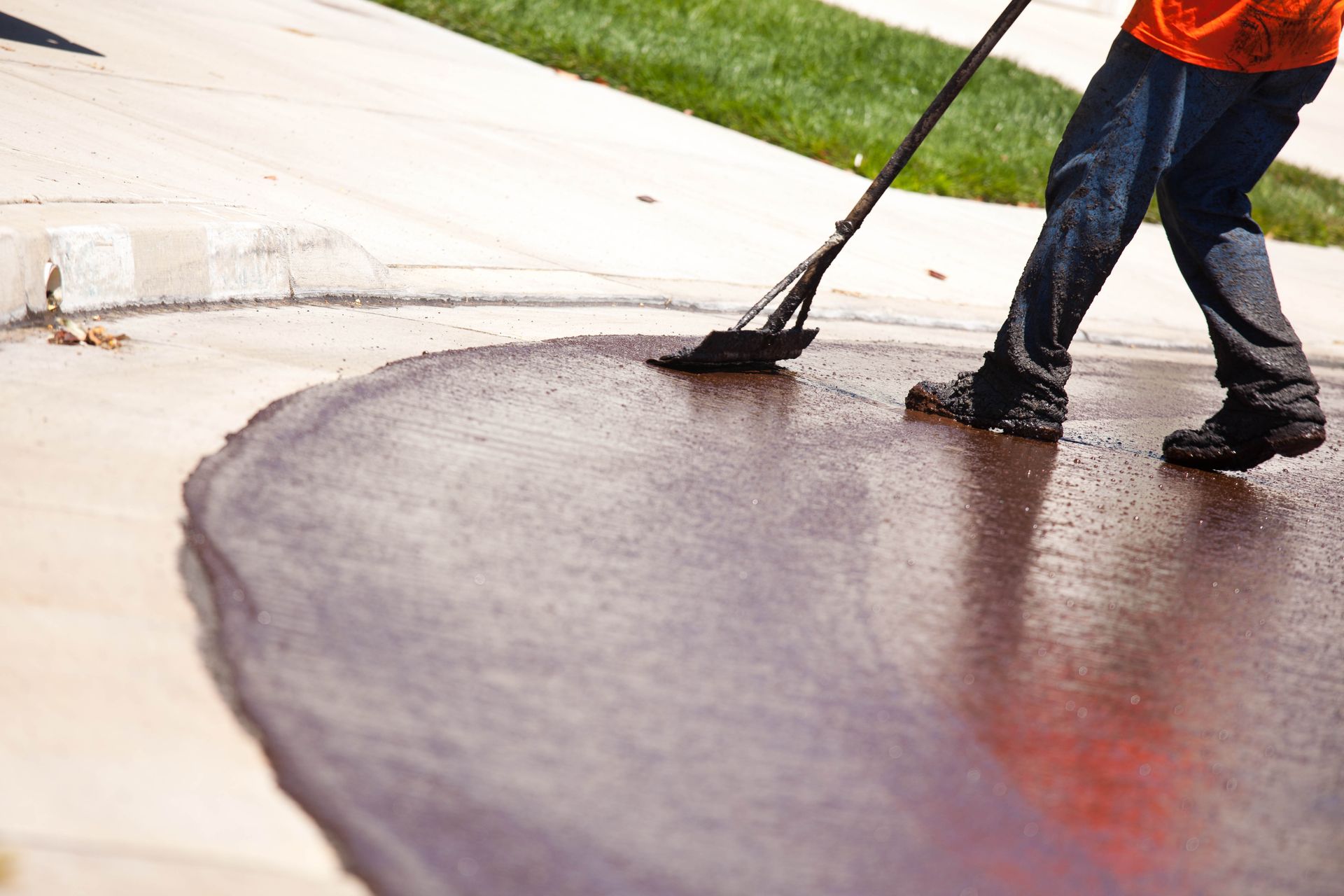
Sealcoating is generally applied in thin layers across the asphalt surface. The process begins with thoroughly cleaning the area to remove debris and ensure proper adhesion. Next, the sealant is prepared and applied using a specialized spray system or manual tools. Allowing adequate drying time is crucial for the sealcoating services to bond effectively. Finally, the newly sealed surface is monitored for uniformity, ensuring that every part is adequately protected.
Types of Sealcoating Materials
Choosing the right type of sealcoating material can significantly impact the performance and appearance of the asphalt surface. There are primarily three types: coal tar-based, asphalt emulsion, and acrylic. Coal tar-based sealants are popular for their durability and resistance to chemicals but have environmental and health concerns. Asphalt emulsion sealants are more environmentally friendly, offering decent protection with less odor and toxicity. Acrylic sealants are in the premium category, providing the best aesthetics and protection but at a higher cost.
Sealcoating vs. Other Maintenance Methods
While sealcoating services are a preferred method for surface protection and maintenance, it should be considered part of a comprehensive maintenance strategy. Alternative methods, such as crack sealing, pothole repair, and overlay, can address more severe surface damage or structural issues. Sealcoating provides preventive care, extending the lifespan of the asphalt by creating a barrier against damaging elements. For instance, doubling the thickness of an overlay can increase its life cycle by five to seven years, according to Gitnux. Combining these methods ensures a balanced approach to asphalt maintenance, tackling both immediate concerns and long-term efficiency.
Financial Benefits of Sealcoating
Extending Asphalt Lifespan
One significant advantage of sealcoating services is their ability to extend the lifespan of asphalt surfaces. By sealing the surface, the negative impacts of UV exposure and water infiltration are significantly reduced. This reduction in exposure helps prevent cracks, erosion, and other forms of damage, ultimately prolonging the surface's life. As a cost-effective measure, sealcoating avoids the more extreme financial burden of complete pavement replacement. Investing in routine sealcoating services leads to long-term savings by reducing the frequency of necessary repairs.
Cost-Effectiveness over Time
Sealcoating represents an economically sound investment, yielding returns through extended asphalt longevity and reduced need for repairs. The upfront expense of applying a sealcoating layer is minor compared to the substantial costs of repaving or replacing asphalt. Over time, regular sealcoating translates to financial savings by minimizing expensive major repairs. Businesses and property owners can plan their maintenance budgets more effectively, knowing that the risk of unexpected deterioration is lower. This predictability in expenses helps in sustainable financial management, enhancing operational efficiency.
Reducing Repair Costs
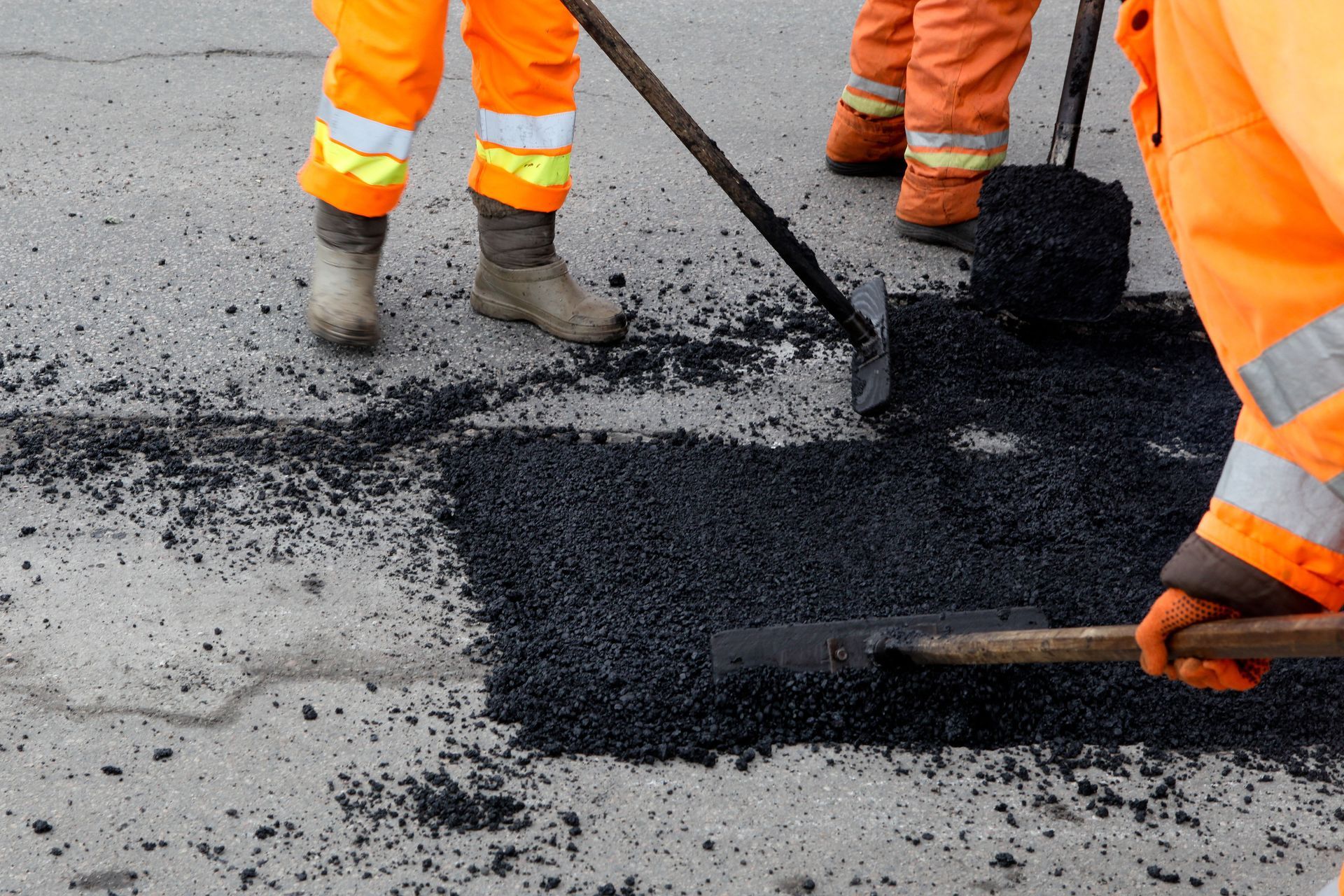
Routine sealcoating can significantly cut down on repair costs by preventing the occurrence of severe surface damage. Sealcoating acts as a barrier, protecting the asphalt from elements leading to decay and structural issues. Without this protective layer, surfaces are prone to frequent cracks, potholes, and erosion, resulting in costly repairs. Regular application of sealcoating helps maintain the integrity of the asphalt, reducing the likelihood of extensive damage. The savings on repairs directly contribute to the cost-effectiveness of the practice over the long term.
Enhancing Property Value
Well-maintained pavements not only enhance property aesthetics but can also increase its market value. Sealcoating freshens the look of asphalt surfaces, giving them a dark, smooth finish that significantly boosts curb appeal. Potential buyers and tenants are likely to perceive properties with well-kept pavements as indicative of good property management. This improved perception can lead to higher property valuations and better selling or leasing terms. Sealcoating thus plays a dual role in both protection and value enhancement.
Averting Major Overhauls
Preventive maintenance through sealcoating can avert the need for costly, full-scale pavement overhauls. The cumulative savings from regular maintenance can free up funds for other investments or improvements. By consistently applying sealcoating, minor issues are addressed before they escalate into major repairs. Routine maintenance, including sealcoating, effectively delays the need for complete repaving, prolonging the existing pavement's life. This foresight helps in avoiding disruptive and expensive renovation projects, ensuring business continuity and financial stability.
Environmental and Aesthetic Advantages
Enhancing Surface Aesthetics
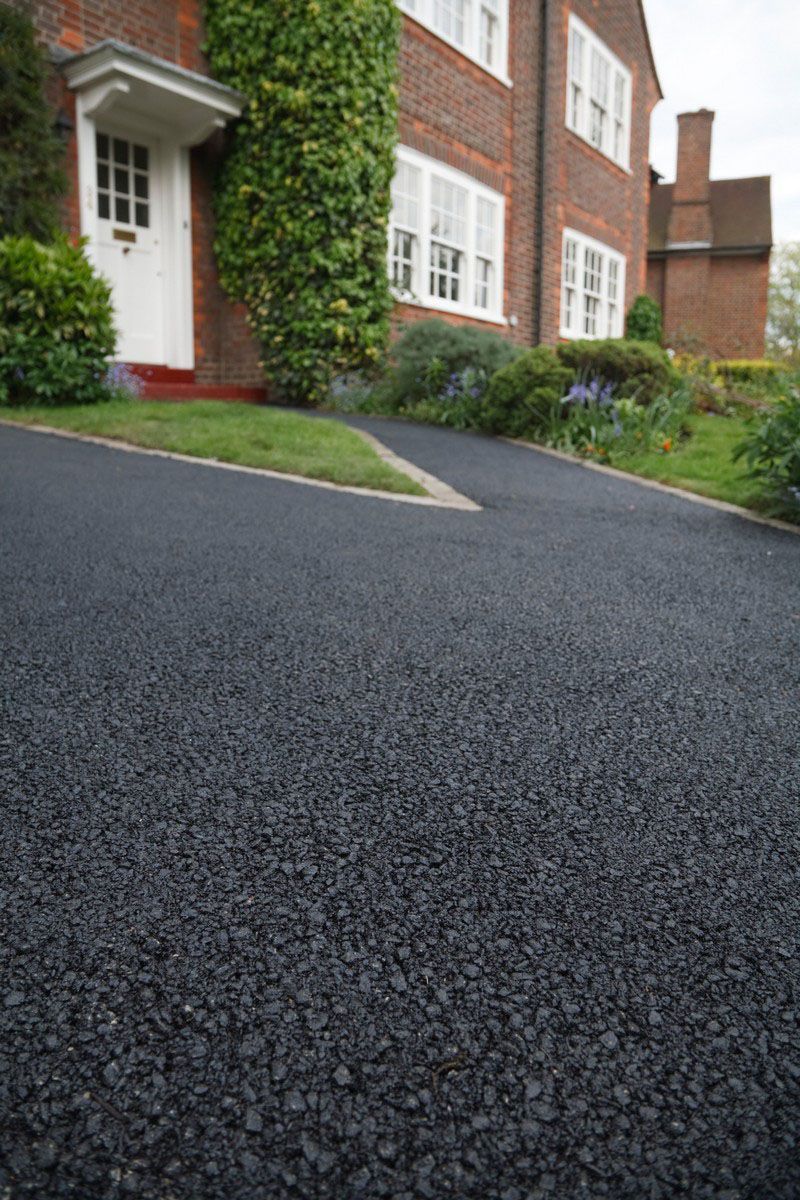
A newly sealcoated asphalt surface presents a fresh, uniform appearance that greatly enhances its aesthetic appeal. The rich, black finish absorbs both the beauty of well-maintained infrastructure and the practical benefits of improved surface protection. Communities, businesses, and residential areas benefit from improved visuals, contributing to the overall enhancement of the environment. This immediate improvement in appearance can also indirectly increase property and neighborhood pride. Such visual upgrades can go a long way in boosting community morale and satisfaction.
Environmental Benefits
Sealcoating offers several environmental benefits by preventing harmful substances from entering the ground and water systems. The surface sealing minimizes water penetration, reducing runoff and potential contamination. Using environmentally friendly sealcoating products ensures that any residues or compounds won't harm local ecosystems. Additionally, extending the pavement's life reduces the need for frequent repaving, which can have a larger carbon footprint. These eco-friendly aspects make sealcoating a responsible choice for sustainable property management.
Operational Efficiency and Safety
Reducing Downtime
One of the major advantages of sealcoating is the minimal disruption it causes during application. Since it can be applied relatively quickly and with rapid drying times, downtime for businesses and traffic is reduced. This swift process means that everyday activities can resume shortly after application, which is essential for commercial properties. With advances in materials and techniques, the disturbance to normal operations is minimized. This reduced downtime contributes to overall operational efficiency, ensuring seamless business continuity.
Enhancing Traction
By sealing the surface and filling minor voids, sealcoating can improve the traction of asphalt surfaces. Improved friction reduces the risk of slipping for both vehicles and pedestrians, enhancing safety. This is particularly important in areas with heavy foot and vehicle traffic, such as parking lots and roads. The small particles in the sealcoating mix contribute to this friction, providing a more stable surface. Safety is therefore directly improved, reducing the potential for accidents and their associated liabilities.
Sealcoating offers a multifaceted approach to pavement maintenance, combining immediate benefits with long-term cost savings. Through protecting asphalt from external elements, enhancing aesthetics, and minimizing disruptions, sealcoating is a crucial component of effective infrastructure management. The financial, environmental, and functional advantages make it an essential practice for municipalities, businesses, and homeowners alike. By choosing the right provider and maintaining a regular schedule, the sustainability and value of asphalt surfaces are greatly enhanced. If you're looking for sealcoating services, contact Hargrove Sealcoating and Striping today.
Share On: