When Is the Best Time to Sealcoat Your Driveway in Tenessee?
Sealcoating plays a critical role in preserving asphalt surfaces and helping homeowners maintain a durable, attractive driveway. In Tennessee, shifting temperatures, humidity levels, and seasonal rainfall can all influence how well asphalt responds to protective treatments over time. Without proper timing, even high-quality applications may underperform due to curing disruptions caused by weather fluctuations. Understanding when conditions are most favorable helps property owners avoid premature wear while improving long-term surface stability. With these factors in mind, learning how timing, climate, and preparation work together creates a clear starting point for making informed sealcoating decisions throughout the year.
Explain the Purpose of Asphalt Protection
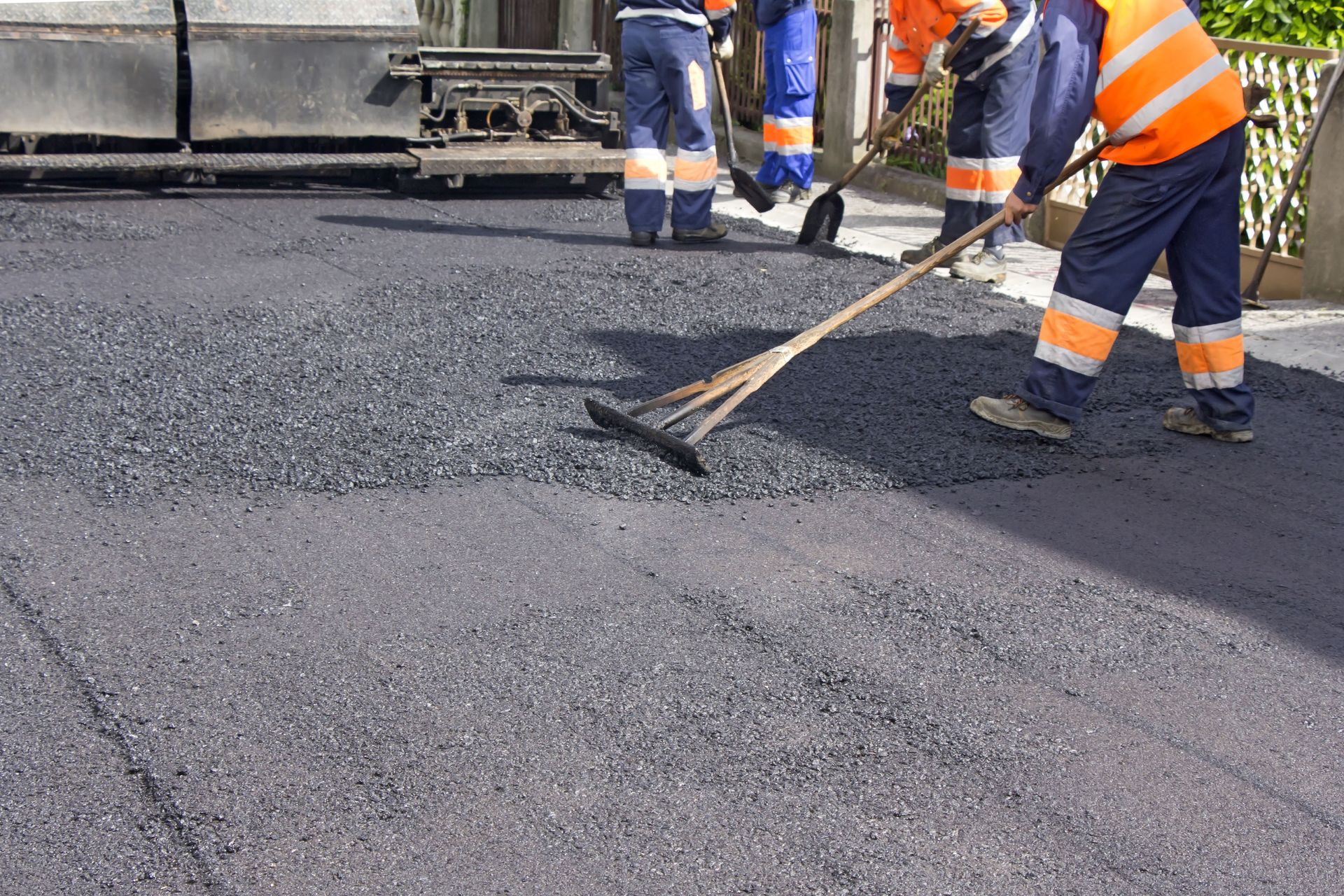
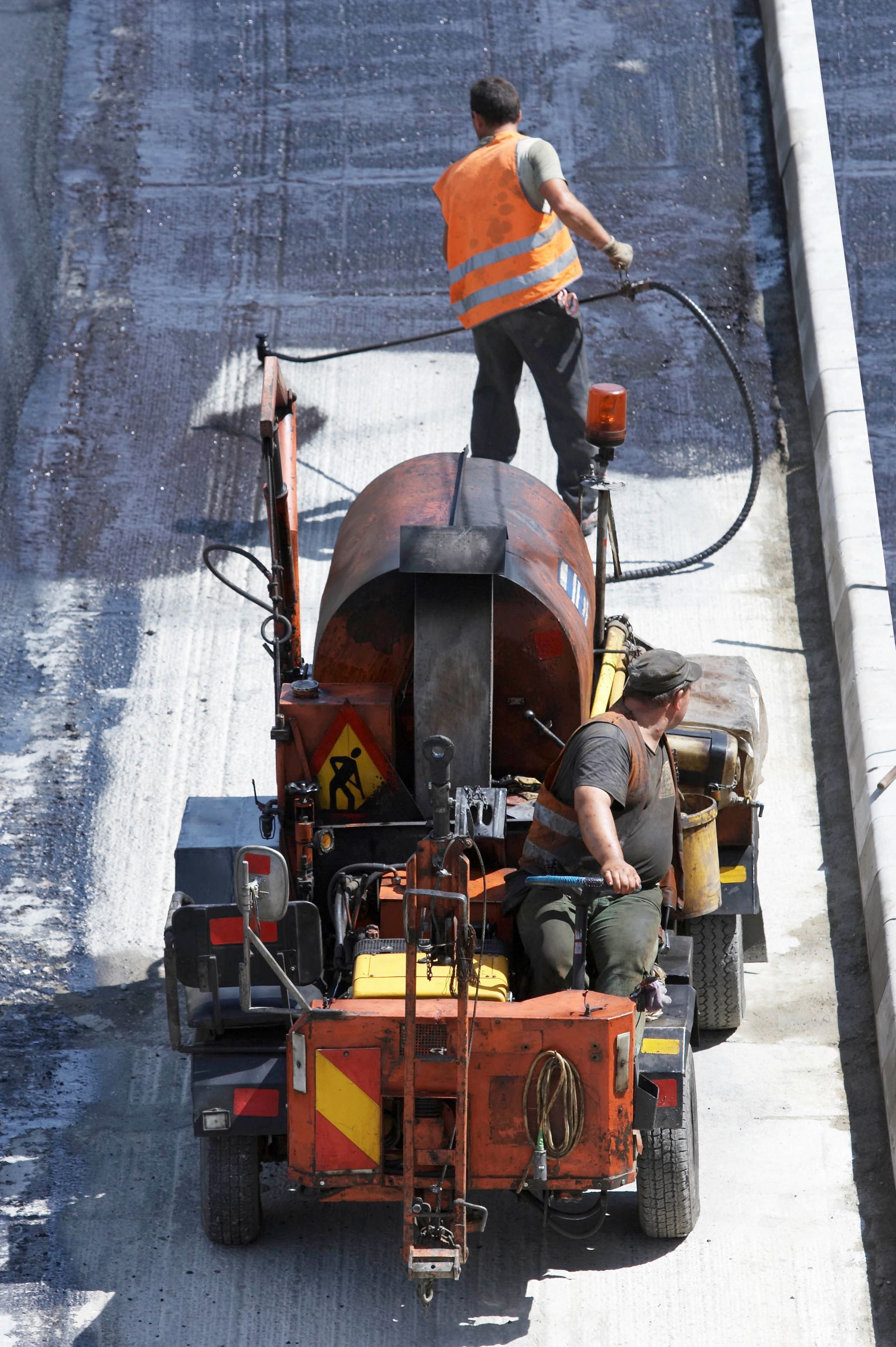
Sealcoating is the process of applying a protective layer to asphalt surfaces to reduce damage from moisture, sunlight, and surface stress. This protective barrier limits water penetration, slows oxidation from UV exposure, and reduces surface breakdown caused by everyday use. Asphalt that receives proper protection maintains structural integrity longer and shows fewer signs of cracking or fading. According to The Detroit News, professionally applied sealing can extend driveway longevity by as much as three decades, reinforcing its value as a maintenance investment. This makes sealcoating an essential step rather than an optional upgrade for asphalt care.
Protect Surfaces From Weather and Wear
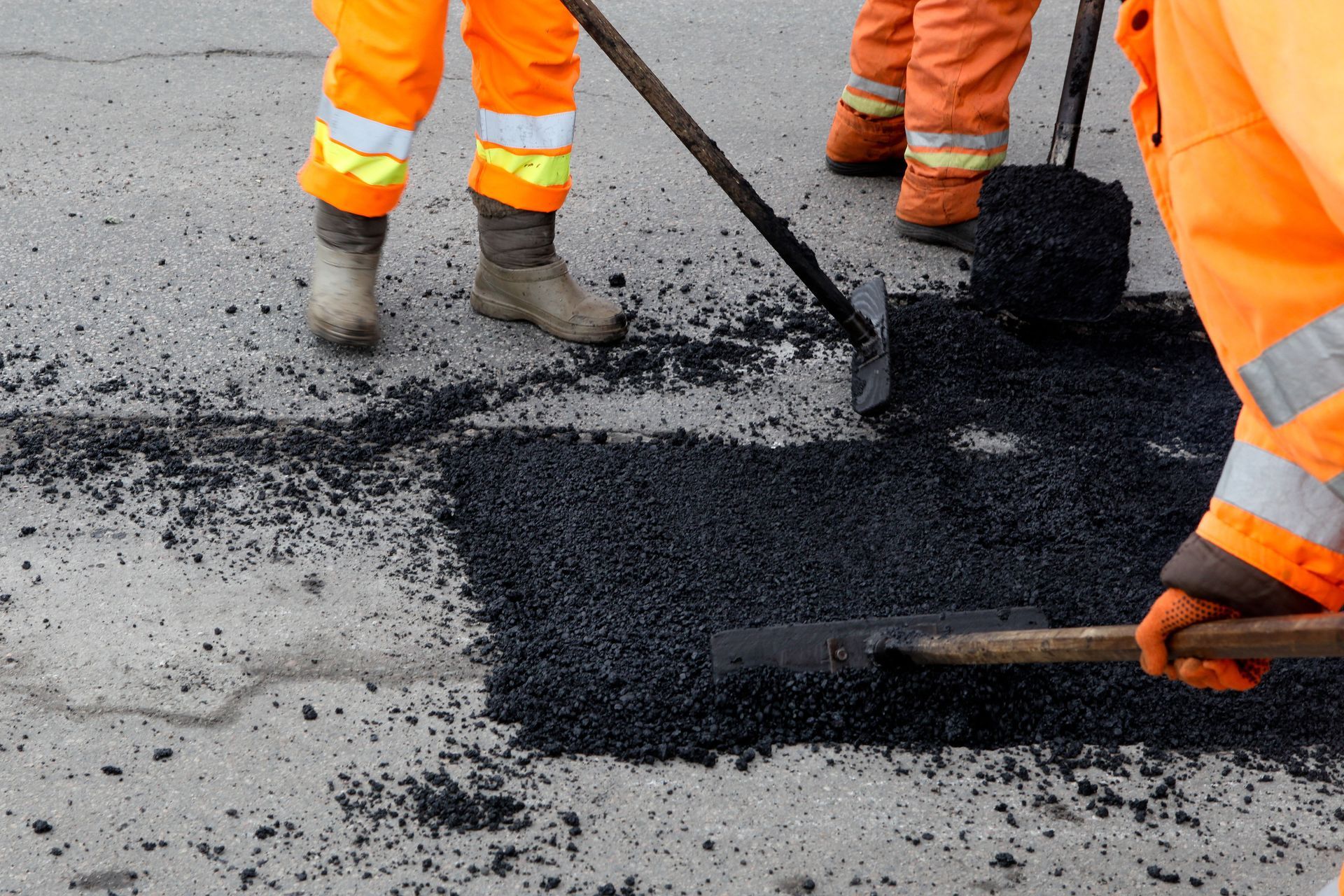
Tennessee weather places constant pressure on asphalt surfaces. Summer heat can soften pavement, while colder months introduce freeze and thaw cycles that encourage cracking. Sealcoating helps buffer these effects by creating a resilient surface layer that reduces moisture intrusion and surface erosion. This added protection minimizes deterioration caused by vehicle traffic, standing water, and seasonal temperature changes. Over time, surfaces that receive consistent protection require fewer repairs and maintain safer driving and walking conditions. These benefits become more noticeable as years of exposure accumulate.
Improve Appearance and Curb Appeal
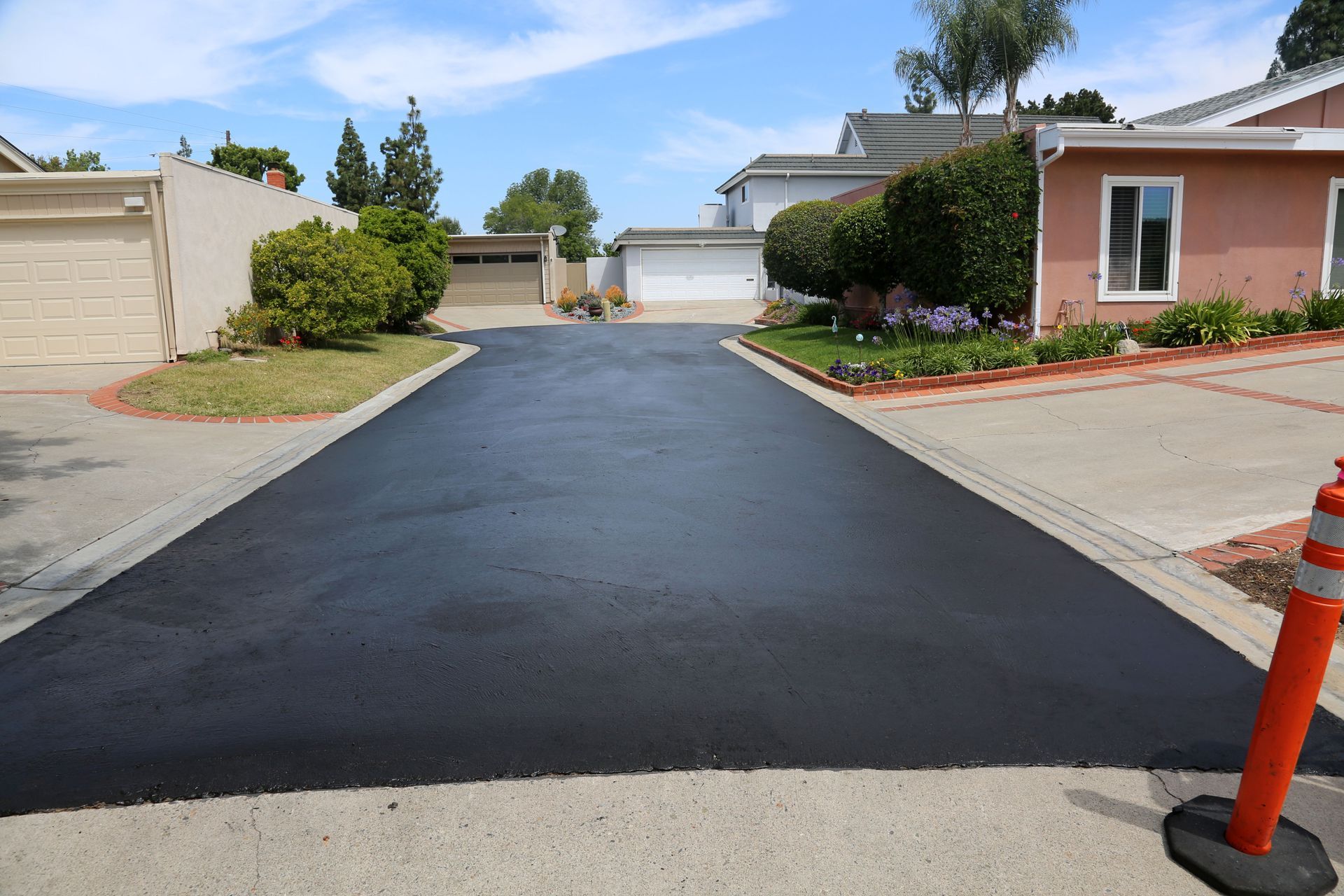
A sealed driveway offers visual benefits in addition to structural protection. The process restores a rich, dark finish that refreshes worn asphalt and enhances overall property presentation. Clean, uniform surfaces complement landscaping and architectural features, contributing to stronger curb appeal. This refreshed appearance also signals consistent property care, which can be valuable for homeowners considering resale. Maintaining visual consistency throughout the year supports both functional and aesthetic goals. Appearance improvements often reinforce the perceived value of the entire property.
Support Long-Term Cost Efficiency
Preventive maintenance often costs less than corrective repairs. Sealcoating reduces the likelihood of extensive cracking, potholes, and surface failure that require larger investments to correct. By slowing asphalt deterioration, homeowners avoid frequent patching and premature resurfacing. The cost benefits accumulate gradually, making proactive surface protection a practical financial decision. Over the lifespan of a driveway, consistent maintenance supports predictable expenses and fewer disruptions. This approach helps homeowners plan budgets with greater confidence.
Understand Tennessee Climate Conditions
Tennessee includes multiple climate zones influenced by geography and elevation. West Tennessee experiences warmer temperatures and higher humidity, while East Tennessee sees cooler conditions due to mountainous terrain. Middle Tennessee falls between these extremes. These regional differences affect curing times and application success, making local climate awareness essential. Scheduling services based on regional weather patterns improves bonding and overall surface performance. Climate knowledge helps reduce application risks across all areas of the state.
Evaluate Seasonal Weather Patterns
Each season presents advantages and challenges for driveway maintenance. Spring offers moderate temperatures but unpredictable rainfall. Summer provides consistent warmth, though humidity can affect drying times. Fall often delivers cooler, drier conditions that support proper curing before winter exposure. Understanding how each season behaves locally allows homeowners to align surface protection schedules with favorable environmental conditions. Seasonal awareness also helps prevent rushed or poorly timed applications.
Apply Best Practices for Temperature Control
Successful application depends on temperature consistency. Ideal conditions generally fall within a moderate temperature range that allows the material to cure evenly and bond properly to the surface. Applying materials outside this range can limit adhesion or lead to uneven wear. Monitoring both air and surface temperatures before scheduling helps ensure proper curing. Adjusting timelines when conditions fall outside recommended ranges prevents avoidable performance issues. Temperature planning plays a direct role in how long the sealcoating layer lasts.
Manage Humidity and Moisture Risks
Humidity directly influences drying time and surface quality. Excess moisture in the air can slow curing and affect finish consistency. Planning projects during periods of lower humidity reduces the risk of surface imperfections. Monitoring forecasts and allowing adequate drying windows ensures the protective layer performs as intended. Moisture management remains a key factor in sealcoating success throughout Tennessee.
Prepare Surfaces Before Application
Preparation significantly affects outcome quality. Clearing debris, addressing existing cracks, and cleaning the surface allows materials to bond evenly. Addressing surface issues in advance prevents trapped moisture and uneven coverage. Proper preparation supports smoother application and improves overall durability once the surface is sealed. Skipping preparation often leads to reduced performance over time.
Choose Regional Timing Wisely
Middle Tennessee often supports flexible scheduling windows due to moderate seasonal shifts. East Tennessee benefits from late spring and early fall timing that avoids temperature extremes. West Tennessee’s warmer climate allows for extended warm-season scheduling, though rainfall should be monitored closely. Aligning project timing with regional weather patterns supports consistent results across the state. Regional timing decisions help maximize sealcoating effectiveness regardless of location.
Avoid Common Application Mistakes
Scheduling during unfavorable weather, overlooking preparation, or ignoring curing guidelines can reduce effectiveness. Moisture exposure shortly after application may compromise surface integrity. Allowing adequate cure time and minimizing traffic during this period protects the investment. Attention to timing and conditions helps avoid premature wear and surface defects. Small missteps can significantly shorten the lifespan of sealcoating results.
Maintain Surfaces Over Time
Routine inspections help identify early signs of wear such as fading, minor cracking, or texture changes. Cleaning debris and addressing minor surface issues promptly helps preserve performance. Periodic evaluations allow homeowners to plan future maintenance before more extensive deterioration occurs. Consistent observation supports long-term surface stability. Ongoing care ensures sealcoating benefits continue year after year.
Recognize Signs of Surface Wear
Early indicators of wear include color loss, fine cracking, and reduced water resistance. Identifying these changes early allows for timely maintenance planning. Addressing issues before structural damage develops supports consistent performance and avoids larger repair needs. Early recognition often prevents surface failure from spreading. Awareness is key to maintaining asphalt integrity. Regular visual inspections after seasonal changes can help detect subtle surface shifts before they become more pronounced. Paying attention to how water pools or absorbs on the surface also offers valuable insight into declining protective performance.
Schedule Professional Evaluations
Periodic professional assessments provide valuable insight into surface condition and maintenance timing. Experienced evaluators consider regional climate, surface age, and usage patterns when recommending next steps. These evaluations support informed planning and help maintain consistent surface performance year after year. Professional input reduces uncertainty around future maintenance decisions.
Timing driveway protection in Tennessee requires balancing climate awareness, surface condition, and seasonal weather patterns. When sealcoating is applied under the right conditions, it supports structural durability, enhances appearance, and reduces the likelihood of costly surface deterioration over time. Thoughtful planning, combined with consistent evaluations, allows homeowners to extend pavement life while maintaining reliable performance year after year. For property owners ready to take the next step, we at Hargrove Sealcoating and Striping encourage scheduling professional service to protect asphalt surfaces and support long-term driveway value with confidence.

Share On: